
Shipping Services for eCommerce: How 3PLs Like Speed Commerce Can Help + Examples, How It Works & More
Updated – August 1st, 2025
Shipping is an important part of every eCommerce business. As order volumes grow, handling logistics in-house can overwhelm your team.
Speed Commerce’s eCommerce shipping services and 3PL shipping services simplify that process. We partner with top carriers to secure competitive rates, manage pickups and track deliveries. Let Speed Commerce handle your shipping so you can focus on customers and growth.
Our shipping services begin where pick and pack fulfillment ends, with packed, labeled orders handed directly to carrier pickup windows.
Looking for a better fulfillment solution?
A fulfillment expert will get back to you within 1-2 business days.
But First, What Is Shipping?
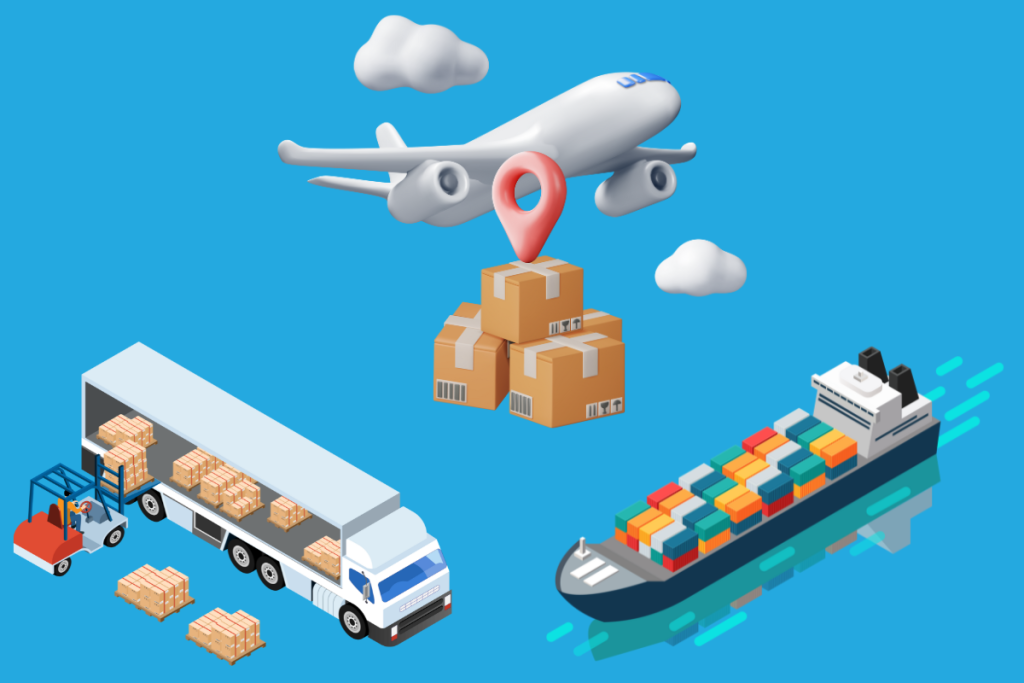
Shipping refers to the process of transporting goods from one location to another, and it’s a fundamental part of any eCommerce operation. Whether you’re delivering products to customers locally or internationally, shipping plays an essential role in meeting your customers’ expectations.
But what is the “shipping services meaning” in the context of logistics? Simply put, shipping services involve the methods and solutions businesses use to move goods, including parcel delivery, freight shipping, and large-item transport. These services are provided by carriers like UPS, FedEx, and DHL, with 3PLs helping eCommerce businesses manage the process, negotiate rates, and ensure timely deliveries.
Understanding shipping and shipping services is important for any eCommerce store looking to scale quickly and cost-effectively.
How Do Shipping Services for Large Items Work?
Large item shipping isn’t as common as the usual shipping of household goods, food products, or cosmetics, which is why eCommerce businesses may often wonder, “How do shipping services for large items work?”
Since oversized items like furniture, large appliances, or bulk apparel orders can be more challenging to handle, eCommerce businesses assume there might be additional rules or a different process.
Major carriers like FedEx and DHL follow a structured approach to shipping large items:
- Pickup Arrangement – Businesses arrange a pickup through shipping services online. This entails providing details about the items’ size, weight, and destination.
- Freight Shipping – For large or heavy items, freight services are typically used, where goods are loaded onto trucks, planes, or ships.
- Packaging – Many carriers offer proper packaging solutions specifically for large items to avoid damage during shipping.
- Tracking – Once the shipment is in transit, it can be tracked in real-time through online portals, with detailed updates on location and estimated delivery. Carriers also offer options like signature confirmation and advanced tracking features for high-value or oversized items.
Delivery & Returns – For fragile or bulky items like refrigerators, white-glove services are often available. These include delivery to the customer’s door with setup as needed. In case of returns, many carriers provide reverse logistics services, where the item is picked up from the customer and returned to the seller or warehouse.
Types of Shipping Services for SMBs
Small to medium-sized businesses (SMBs) often require shipping solutions tailored to their specific needs. Unlike larger enterprises, SMBs frequently turn to 3PLs to streamline their logistics processes, including shipping.
With so many options for shipping services online, SMBs can choose the most efficient and cost-effective solution for their eCommerce operations. Below are the four main types of shipping solutions available to help eCommerce SMBs navigate their logistics challenges.
By-Road Shipping
Road shipping is one of the most versatile and accessible methods of transporting goods, especially within a country. It involves transporting goods via trucks of various sizes, depending on the shipment volume, driven by professional drivers.
Road shipping is ideal for businesses that need flexibility in delivery times or want to ship to multiple locations across a region.
Real-world examples include last-mile deliveries for eCommerce businesses using UPS, FedEx, or local couriers to reach customers.
- 2-Day Shipping – Offers a delivery timeframe of two business days, often used for national shipments requiring a balance of speed and cost.
- Same-Day Delivery – Ensures local deliveries are made within hours of placing an order, commonly used by eCommerce businesses in urban areas.
- Hybrid Shipping Services – Combines road and other methods (e.g., road and air) to optimize delivery routes and reduce costs for regional shipments.
Air Cargo Shipping
When speed is a priority, air cargo shipping is the most efficient option. This shipping service allows online businesses to move goods across countries or continents in a matter of hours or days.
While often more expensive, air cargo shipping is extremely important for eCommerce businesses shipping perishable goods or high-value items that need fast delivery. Companies like FedEx and DHL offer comprehensive air cargo services to help businesses meet tight delivery deadlines.
- Overnight Shipping – Guarantees next-day delivery across long distances, a favored option for high-priority packages or urgent deliveries.
- Expedited Shipping – A faster-than-standard shipping option, offering delivery in 1-3 days, often used for international or long-distance shipments.
Rail Shipping
For large or bulky shipments that are less time-sensitive, rail shipping offers a reliable and cost-effective solution. Rail freight is ideal for transporting heavy machinery, large appliances, or industrial materials over long distances. It’s particularly useful in countries with robust rail networks, such as the US and Canada, where it provides a stable alternative to road transport. Businesses moving bulk goods often partner with logistics providers to ensure safe transit.
- Freight Shipping – Best suited for moving bulk or large items like industrial equipment, rail freight is a slower but reliable and cost-efficient option for domestic routes.
Ship or Sea Cargo Shipping
Sea cargo shipping is one of the most cost-effective shipping services in USA for international transportation, especially for large, heavy, or irregularly shaped goods.
Though slower than air or road shipping, sea freight is important for online businesses shipping bulk products overseas. Container ships handle enormous volumes, making this method suitable for eCommerce companies importing goods from manufacturers abroad.
Companies often use sea cargo for low-cost but large-scale imports, like electronics or furniture.
- International Shipping – Used to transport goods across international waters, this is a slower but cost-effective method for sending large, non-urgent shipments.
- Eco-Friendly Shipping – Sea freight is increasingly recognized as a sustainable option due to its lower carbon emissions compared to air transport for bulk shipments.
Shipping Fees for eCommerce Explained
Different shipping methods and factors contribute to the total cost of shipping an item. Understanding the various fees involved can help eCommerce businesses make informed decisions, better manage their logistics budget, and offer competitive delivery options to their customers. Below are five of the most common shipping fees for eCommerce businesses.
Flat Rate Shipping
Flat rate shipping allows businesses to charge a single shipping fee regardless of the package’s weight or destination. This option simplifies the pricing structure for both businesses and customers, making it ideal for companies that frequently ship items of similar size or weight.
Major carriers like FedEx and DHL offer flat rate options for standard-sized boxes.
Weight-Based Shipping Fees
Weight-based shipping is calculated based on the total weight of the shipment. As part of their shipping services, DHL and other carriers determine fees by weighing the package and considering its dimensions.
Weight-based shipping is most common for businesses shipping heavier items, as costs rise proportionally with the package’s weight.
Dimensional Weight Pricing (DIM)
For large but lightweight packages, dimensional weight pricing applies. Carriers use the package’s size to calculate a weight, known as the dimensional weight, which can sometimes result in higher fees than weight-based pricing. This is often used for bulky but light products like apparel, pillows, or large boxes of low-weight items.
Expedited Shipping Fees
Expedited shipping offers faster delivery for an additional cost. Services like FedEx Express charge higher rates to ensure products arrive within 1-2 business days. This fee is often passed on to customers who need their items quickly, and it’s a common option for eCommerce companies offering premium delivery.
International Shipping Fees
Shipping items internationally incurs additional costs, such as customs duties, taxes, and carrier surcharges. Fees vary based on the destination country, the value of the items, and the speed of delivery. Online businesses shipping internationally often need to factor in these higher costs, especially for services that offer tracking and fast delivery.
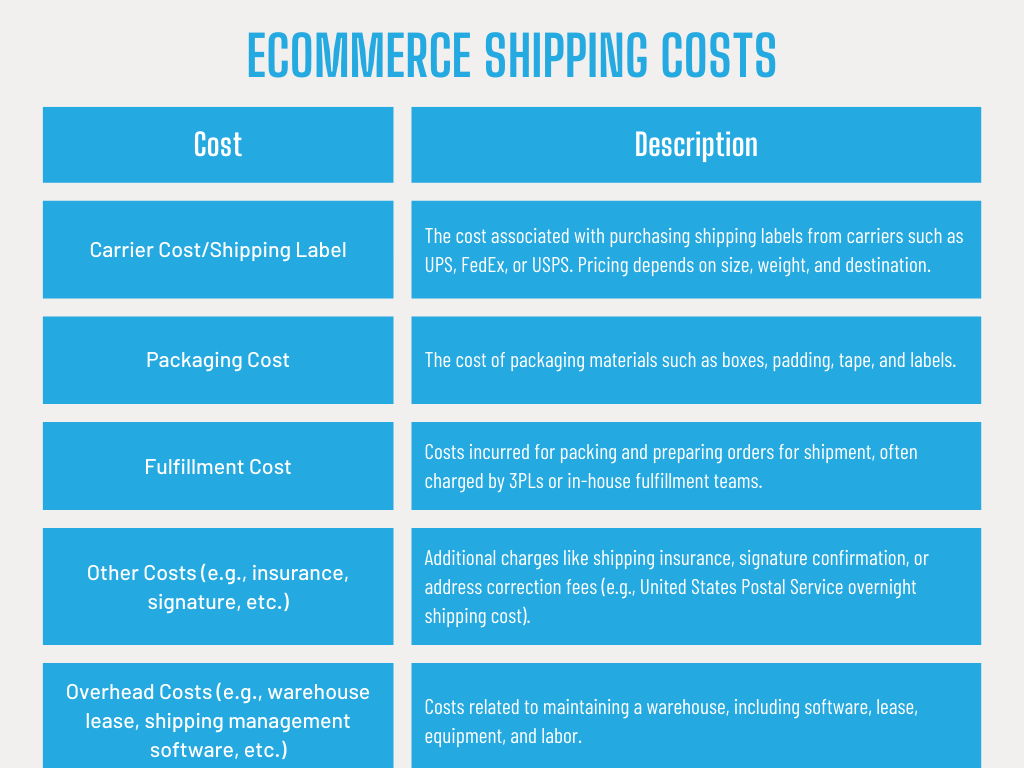
Other common eCommerce shipping costs include:
Why Create a Memorable Shipping Experience?
Before we dive deeper into shipping services business for eCommerce, it’s important to understand why a business might want to invest in shipping solutions in the first place, let alone partner with a third, fourth, or even fifth party for faster, more cost-effective shipping.
It’s simple: businesses want to create a memorable shipping experience.
But that goes beyond just delivering a product. Creating a memorable shipping experience is about shaping the overall customer journey.
A seamless and positive shipping process helps businesses achieve two important goals: cultivate lasting customer relationships and increase conversion rates.
Cultivate Lasting Customer Relationships
A memorable shipping experience leaves a lasting impression that encourages customers to return for future purchases. Fast, reliable delivery and clear communication throughout the process foster trust between the customer and your brand, and strong OTIF helps support that consistency.
Plus, small touches like branded packaging or personalized thank-you notes can make customers feel valued.
When customers know they can count on timely deliveries and easy returns, they’re more likely to become loyal buyers.
Increasing Conversion Rates
An optimized shipping experience can also drive higher conversion rates.
Many customers abandon their carts if they perceive shipping to be slow, expensive, or unclear. Offering affordable shipping options, clear delivery times, and real-time tracking can significantly reduce cart abandonment rates.
A smooth shipping process also encourages customers to complete their purchases confidently, knowing they’ll receive their orders quickly and without hassle.
By partnering with a 3PL that provides seamless shipping solutions, you can remove barriers to purchase, ultimately boosting sales and improving your overall conversion rates.
This two-pronged approach shows how an excellent shipping experience can not only delight customers but also directly impact your business’s growth.
Latest Shipping Services & Fulfillment News 2025
January
- In 2024, Descartes Datamyne reported signs of a shipping market rebound, with freight activity picking up and retailers restocking inventories. Meanwhile, USPS mail-hauling contractor Pride Group shut down in August, citing ongoing struggles in the freight trucking industry, though it has not filed for bankruptcy.
Reference: “Wall Street Journal: Logistics Operators See a Shipping-Market Rebound Taking Shape (https://www.descartes.com/resources/news/wall-street-journal-logistics-operators-see-shipping-market-rebound-taking-shape)
February
- Analysts suggest that the actual impact of President Donald Trump’s 25% tariffs on steel and aluminum imports may be less severe than initial reports indicate. Drawing parallels to the 2018 trade war, they anticipate that trade agreements and exemptions could mitigate potential disruptions in freight markets, particularly for supramax and ultramax bulk carriers.
Reference: “Shipping impact from Trump’s steel tariffs will depend on how reality matches headlines” (https://www.tradewindsnews.com/opinion/shipping-impact-from-trump-s-steel-tariffs-will-depend-on-how-reality-matches-headlines/2-1-1777593)
Shipping Challenges for eCommerce Businesses
Shipping presents a unique set of challenges for eCommerce businesses, particularly as customer expectations for fast and affordable delivery continue to rise. Understanding and addressing these challenges efficiently can help businesses improve their shipping operations, avoid disruptions, and, ultimately, maintain customer satisfaction.
Below are some of the most common shipping challenges faced by online businesses today.
High Shipping Costs
If left unchecked, shipping costs can cut into your business’s profit margins. Many SMBs struggle to compete with larger retailers that offer free or discounted shipping.
Managing Returns
Returns are an inevitable part of eCommerce. Unfortunately, handling the reverse logistics process can be complex and expensive, especially if customers expect free returns. Online businesses must ensure that returned items are processed quickly and restocked or resold, which can strain operations if not handled properly.
International Shipping Complications
Each country has its own set of rules, so shipping internationally involves navigating customs, taxes, and import regulations, which can lead to delays and additional costs.
Lack of Real-Time Visibility
Customers expect real-time tracking for their shipments, and a lack of transparency can lead to frustration and lost trust. For eCommerce businesses, it can be challenging to provide accurate tracking information if they don’t have sophisticated systems in place.
Inventory and Fulfillment Issues
Inventory management is directly tied to shipping efficiency. If a business doesn’t have an accurate view of its stock levels, it may face delays in fulfilling orders or worse, ship the wrong products. This can lead to unhappy customers and increased costs due to returns and restocking.
Meeting Customer Expectations for Fast Shipping
Customers now expect fast shipping as a standard offering, no thanks to major retailers offering next-day or even same-day delivery. For SMBs, meeting these expectations without the help of a 3PL for small businesses can be difficult due to higher costs and logistical limitations.
Addressing Delivery Delays
Unexpected delivery delays due to carrier issues, weather, or other factors can lead to negative customer experiences. eCommerce businesses often have limited control over these delays, yet they bear the brunt of customer dissatisfaction.
Effective communication and proactive problem-solving, often in partnership with a 3PL, can help reduce the impact of delays on customer satisfaction.
How Can a 3PL’s Shipping Services Contribute to Your Store’s Success?
As your eCommerce business grows, managing shipping logistics can quickly become overwhelming. You might find yourself spending too much time dealing with shipping rates, tracking deliveries, or handling carrier issues.
This is where partnering with a 3PL can make a huge difference for your business.
A 3PL is a company that helps businesses manage their logistics operations, from warehousing to order fulfillment. But one thing that sets 3PLs apart is that they do not offer shipping directly. 3PLs typically don’t own trucks, planes, or ships. Instead, they act as an intermediary, working with well-established carriers like UPS, FedEx, and DHL to handle shipping for you.
So, what happens when you leave shipping to a 3PL?
They take on the responsibility of negotiating rates (read: more favorable pricing than you could obtain on your own), scheduling pickups, and overseeing the entire shipping process. Such partnerships often result in significant cost savings, especially for SMBs that might not have the shipping volume to access discounted rates directly. This also means that you can focus on running your business, i.e., serving customers and growing your brand, without getting bogged down in logistics.
In short, a 3PL acts as your logistics partner, helping you optimize your shipping operations without needing to manage the day-to-day challenges of things like carrier negotiations or delivery tracking. By outsourcing your shipping logistics to a 3PL, you streamline your operations, improve delivery times, and save on shipping costs—all while offering a better experience to your customers. It’s a win-win for your business.
Real-World Examples of How 3PLs Improve Shipping
When it comes to improving your shipping operations, nothing beats real-world examples of businesses that have successfully partnered with 3PLs. The stories below highlight how 3PLs helped streamline shipping processes, reduce costs, and enhance customer satisfaction. For confidentiality reasons, the names of the companies have been protected, as these insights were gathered from a blind survey of businesses that implemented 3PL solutions between 2020 and 2023. These examples demonstrate how effective 3PL partnerships can elevate logistics strategies for eCommerce companies of all sizes.
Company A: Consolidated Shipping for Cost Savings
A growing company faced increasing shipping costs due to fragmented shipments and inefficient route management. When they decided to partner with a 3PL, they were able to consolidate shipments, optimize transportation routes, and negotiate better freight rates. This led to immense cost savings and improved their overall efficiency, helping them manage their shipping processes with fewer resources.
Company B: Inventory Management for Global Retail
A global retailer struggled with managing inventory across multiple channels, which resulted in frequent stockouts and lost sales. They decided to partner with a 3PL. Then, the 3PL implemented advanced inventory forecasting and real-time visibility tools, allowing the retailer to better track their stock levels across all warehouse locations. Also, the 3PL’s automated replenishment processes helped streamline the retailer’s supply chain, helping them minimize errors and, ultimately, improve customer satisfaction.
Company C: Improving Last-Mile Delivery
A leading eCommerce company was facing difficulties in meeting customer expectations for fast last-mile deliveries. With the help of a 3PL specializing in last-mile delivery solutions, they were able to speed up their delivery times and improve overall customer satisfaction. The partnership also allowed them to handle the increasing demand for online shopping more efficiently.
Compare FedEx Competitors and Alternatives
While FedEx is a leading carrier with extensive shipping services, it might not always be the most affordable or suitable option for all eCommerce businesses.
Whether you’re looking for alternatives to shipping services FedEx offers, want to explore other options due to high FedEx shipping fees, or simply looking to be familiar with the different shipping carriers and the shipping solutions they offer, consider these 10 carriers that cater to a variety of needs and budgets.
1. FedEx
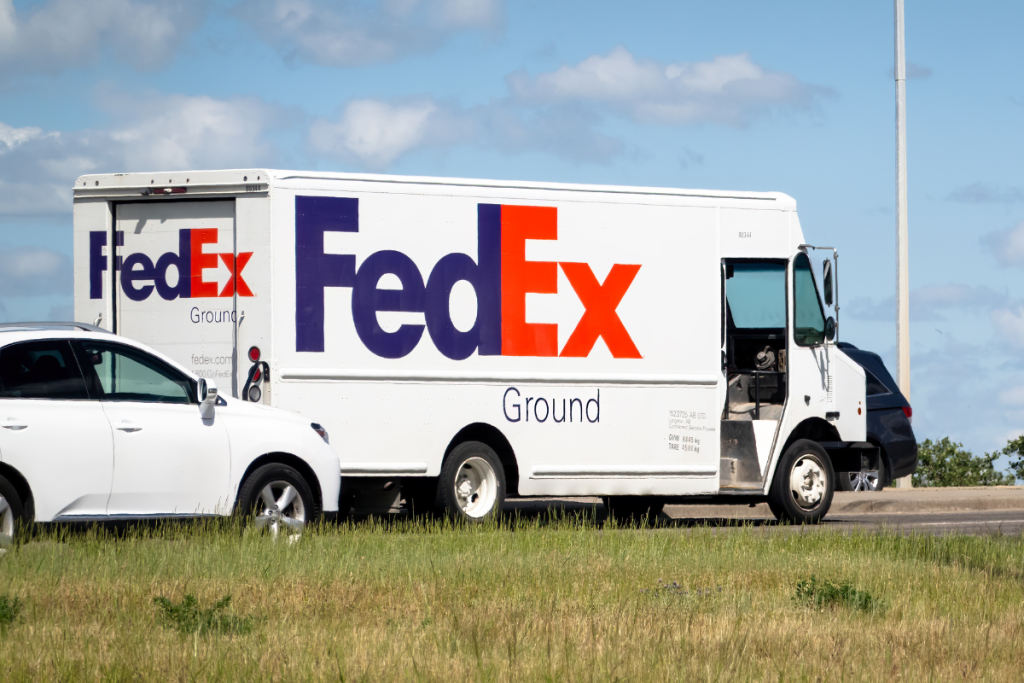
FedEx is a global courier company headquartered in Memphis, Tennessee, known for its extensive shipping network.
Serving enterprises and businesses of all sizes, FedEx offers a wide range of services including express, ground, freight, and eCommerce solutions. With a focus on speed and reliability, FedEx is often the go-to carrier for international shipping, time-sensitive deliveries, and high-volume freight.
2. LaserShip
LaserShip is a regional carrier specializing in same-day and next-day delivery within the Eastern United States. It caters to SMBs looking for cost-effective and quick shipping options for eCommerce orders. LaserShip focuses on last-mile delivery.
3. OnTrac
OnTrac is a regional carrier based in Chandler, Arizona, servicing the Western United States. It offers next-day and two-day ground shipping services, making it a favorite among SMBs looking for faster shipping times than national carriers can provide.
OnTrac is known for its regional focus and affordable pricing, especially for businesses shipping to neighboring states.
4. Pitney Bowes
Headquartered in Stamford, Connecticut, Pitney Bowes is a technology and logistics company that offers shipping and eCommerce solutions primarily for SMBs.
In addition to parcel shipping, Pitney Bowes provides services like tracking solutions and fulfillment support.
5. RR Donnelley
RR Donnelley offers a range of shipping and logistics services for businesses, particularly SMBs. Known for its expertise in direct mail and fulfillment, RR Donnelley provides eCommerce shipping solutions along with packaging and distribution support. It’s a reliable choice for businesses looking for customized shipping and printing services.
6. Lone Star Overnight (LSO)
LSO is a regional carrier headquartered in Austin, Texas, focusing on next-day and two-day ground shipping across the Southern United States. With its regional focus, LSO specializes in time-sensitive deliveries within its service area.
7. XPO Logistics
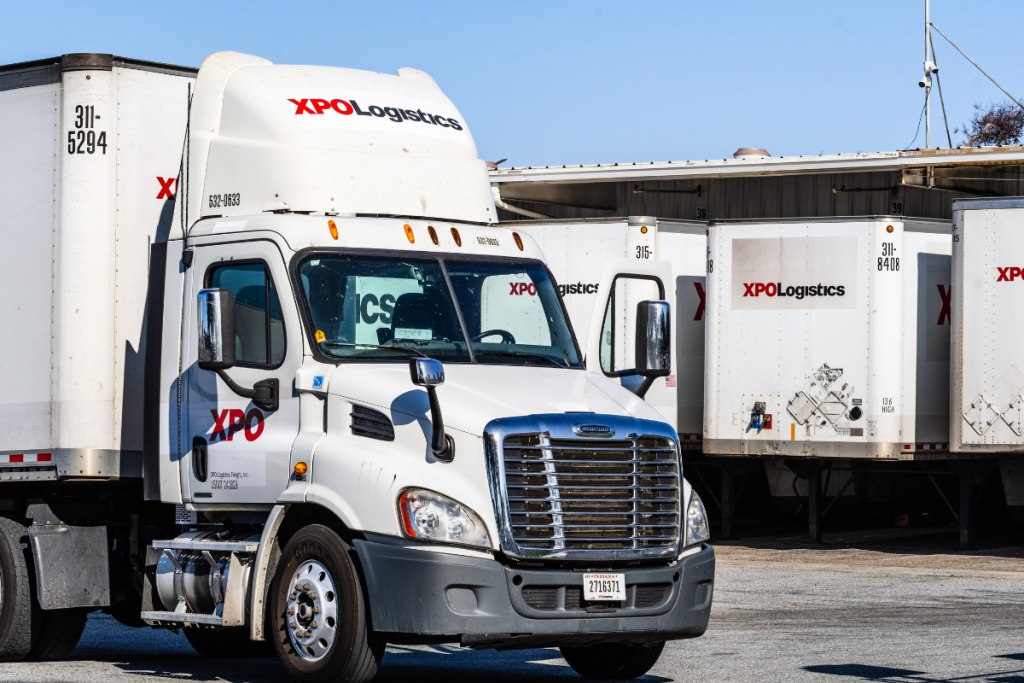
XPO Logistics, headquartered in Greenwich, Connecticut, is a global provider of freight and logistics services. It offers less-than-truckload (LTL) shipping, freight forwarding, and eCommerce logistics. XPO is a good choice for large enterprises with complex shipping needs.
8. Deliv
Deliv is a same-day delivery service headquartered in Menlo Park, California, serving SMBs and large retailers across the USA. Specializing in last-mile delivery, Deliv focuses on local courier services for eCommerce businesses looking to offer quick, same-day shipping to their customers. It’s an ideal option for businesses prioritizing speed in urban areas.
9. TForce
TForce, based in Dallas, Texas, provides comprehensive logistics and transportation solutions, specializing in LTL freight and final-mile deliveries.
TForce serves primarily SMBs looking for regional parcel delivery or businesses in need of specialized freight services. It is also known for its reliability in handling both parcel and freight shipments within the USA.
10. USPS
The United States Postal Service (USPS) is a government-operated postal service based in Washington, D.C. USPS provides a variety of shipping options such as domestic mail, priority mail, and eCommerce fulfillment.
With flat-rate pricing and cost-effective solutions for lightweight packages, USPS is a popular choice for businesses needing reliable, affordable domestic shipping.
Top 5 Things to Consider When Partnering With a 3PL for eCommerce Shipping
So far, we’ve established that partnering with a 3PL for eCommerce shipping services can streamline your operations and improve customer satisfaction. But there are several important factors to consider before making your choice. Below are five fundamental things to keep in mind when selecting the right 3PL for your business.
Shipping Speed
Shipping speed is one of the most important factors for eCommerce businesses. Customers now expect fast and reliable delivery, often within 2-3 days.
When choosing a 3PL, ensure they can meet these expectations with expedited shipping options. Look for 3PLs that have strong partnerships with carriers and offer multiple delivery speed options to match customer needs. Faster shipping helps increase customer satisfaction and repeat business.
Cost Efficiency
Balancing shipping speed and cost is essential for profitability. Some 3PLs offer discounted shipping rates thanks to their carrier partnerships, which can help reduce costs.
It’s important to evaluate how a 3PL’s pricing model—whether flat-rate or weight-based—aligns with your business needs. Lower shipping costs can lead to competitive product pricing, which is vital for attracting customers in a crowded market.
Scalability
As your eCommerce business grows, so too will your shipping needs. A good 3PL should be able to scale with you and handle increases in order volume without compromising service quality. Look for a 3PL with order fulfillment solutions that can adapt to peak seasons or sudden growth spurts. Their ability to manage growth efficiently will ensure smooth operations even as your business expands.
Technology & Integration
The technology a 3PL uses can significantly impact your shipping efficiency. A 3PL with strong software integration for order management, tracking, and inventory control is essential. This allows for real-time visibility and seamless communication between your online store and the 3PL. Without proper integration, it can be harder to track orders, manage inventory, and ensure smooth customer service.
Returns Management
Returns are inevitable in eCommerce, and having a clear returns process is important for customer satisfaction. A 3PL that offers easy and cost-effective returns solutions can improve your overall customer experience.
Look for 3PLs that provide reverse logistics and handle returns efficiently, from processing to restocking. Effective returns management can build trust and encourage repeat customers.
Speed Commerce Shipping Services
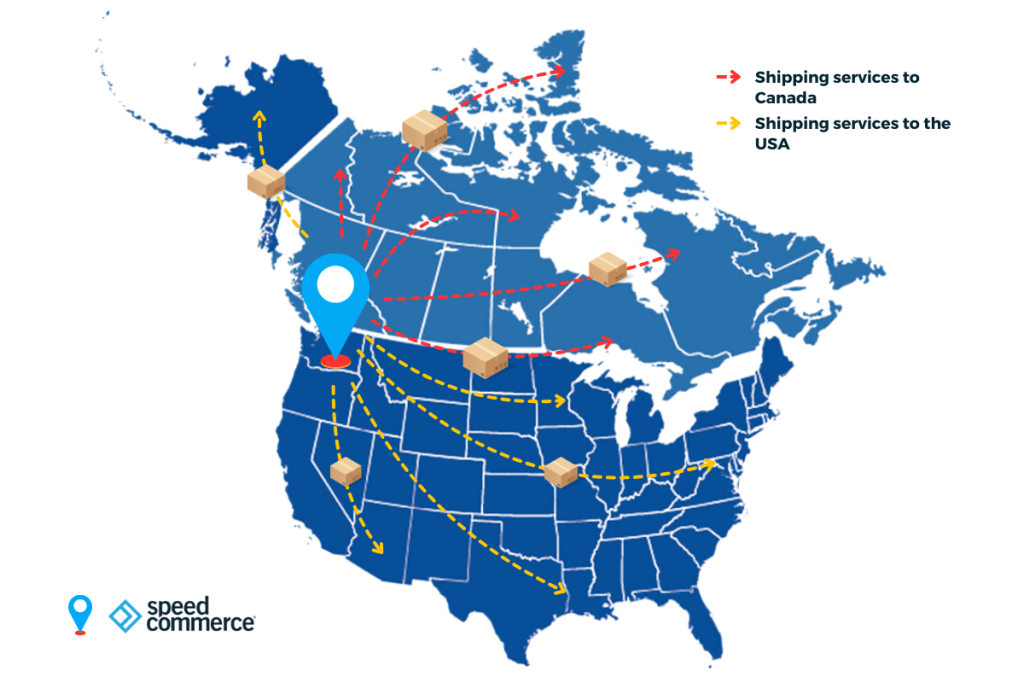
Speed Commerce is proud to support businesses across the US and Canada with our reliable 3PL shipping services.
Find the Best Shipping Services
request a quoteFrequently Asked Questions About Shipping Services for Small Businesses
Q: What is eCommerce shipping?
A: eCommerce shipping refers to the process of delivering products purchased from an online store to the customer’s location, whether domestically or internationally.
Q: How does eCommerce shipping work?
A: It involves picking, packing, labeling, and transporting orders from the warehouse or fulfillment center to the customer. Shipping carriers handle the delivery, while online tracking ensures transparency.
Q: What does the eCommerce shipping process involve?
A: The process includes order fulfillment (picking and packing), shipping label creation, carrier selection, tracking the shipment, and handling any necessary returns.
Q: What are the different eCommerce shipping services?
A: Common options include standard shipping, expedited shipping, same-day delivery, and international shipping. Additional services may include white-glove delivery or specialized freight shipping.
Q: How do I find the best shipping service near me?
A: To find the best shipping services near me, you can start by researching local carriers or fulfillment centers that specialize in eCommerce shipping. Many 3PL providers and national carriers like FedEx or DHL offer regional solutions, so it’s important to compare rates, shipping times, and service areas to find the best fit for your business.
Q: What is the cheapest shipping service?
A: Unfortunately, there’s no single “cheapest” shipping service since costs vary based on package size, weight, distance, and shipping speed. Flat-rate shipping is often affordable for small, heavy items, while regional services may offer better rates for local deliveries. eCommerce businesses should compare carriers and services to find the best option for their specific needs.
Q: What is the difference between flat-rate and weight-based shipping?
A: Flat-rate shipping charges a single fee regardless of the package’s weight, while weight-based shipping adjusts the cost depending on the package’s weight and dimensions.
Q: How can I reduce my eCommerce shipping costs?
A: You can lower costs by negotiating better rates with carriers, using flat-rate shipping when applicable, consolidating shipments, or partnering with a 3PL to optimize your shipping operations.
Choose Speed Commerce for Logistics & Shipping Services

Now that you understand everything there is to know about eCommerce shipping services, consider making Speed Commerce a part of your logistics strategy.
As a leading 3PL in the US, Speed Commerce is trusted by hundreds of eCommerce brands to provide tailored order fulfillment, warehousing, and eCommerce shipping solutions. We partner with major carriers to negotiate the best rates for you, handle fulfillment, and ensure seamless order management from start to finish.
Plus, Speed Commerce integrates with major eCommerce platforms, marketplaces, and other sales channels to automate fulfillment for online merchants, retailers, and vendors. With a network of fulfillment centers across the US, Speed Commerce lets online businesses split inventory across locations to save on shipping costs, reduce time in transit, and, ultimately, improve customer satisfaction.
Whether you need an apparel 3PL, small business shipping solutions, or fulfillment services for Canadian companies, Speed Commerce is here to help your business grow.
Ready to streamline your shipping? Contact us today to request a quote, find shipping services for you, or learn more about how we can help your eCommerce business scale.
Streamline Your Shipping with Speed Commerce
More Shipping Services & 3PL Resources From Speed Commerce
Shipping
The process of transporting goods from one location to another.
Third-Party Logistics (3PL)
Outsourcing logistics and supply chain management activities to a provider.