Third Party Logistics Super Guide: 3PL Meaning + 3PL Logistics Examples
Updated – August 5, 2026
If you run a successful eCommerce store, you know that efficient order fulfillment is important to your business. Growing customer base can make handling inventory, packing orders, and shipping a challenge.
This is where a (3PL) provider becomes helpful. A 3PL is a strategic partner that manages your supply chain, allowing you to scale without the operational stress. Examples of 3PL services include warehousing, inventory management, picking, packing, and shipping.
So, what exactly does 3rd party logistics mean, and how can it benefit your online shop? Read on to learn how a 3PL can streamline your operations, reduce costs, and improve your customer experience.
Looking for a better fulfillment solution?
A fulfillment expert will get back to you within 1-2 business days.
What Is 3PL?
3PL refers to outsourcing logistics and supply chain management activities to a provider. These providers manage various aspects of logistics, including warehousing, transportation, inventory management, and order fulfillment, so businesses can focus on their core operations. In short, a 3PL acts as an extension of your business.
It’s unclear who coined the term “third-party logistics.” What is clear, however, is that businesses started to outsource their inbound and outbound logistics to third parties in the 1970s. And with the introduction and subsequent growth of eCommerce in the 1990s, the term 3PL became ubiquitous.
3PLs have since expanded their services and become what we now know as 3PL providers.
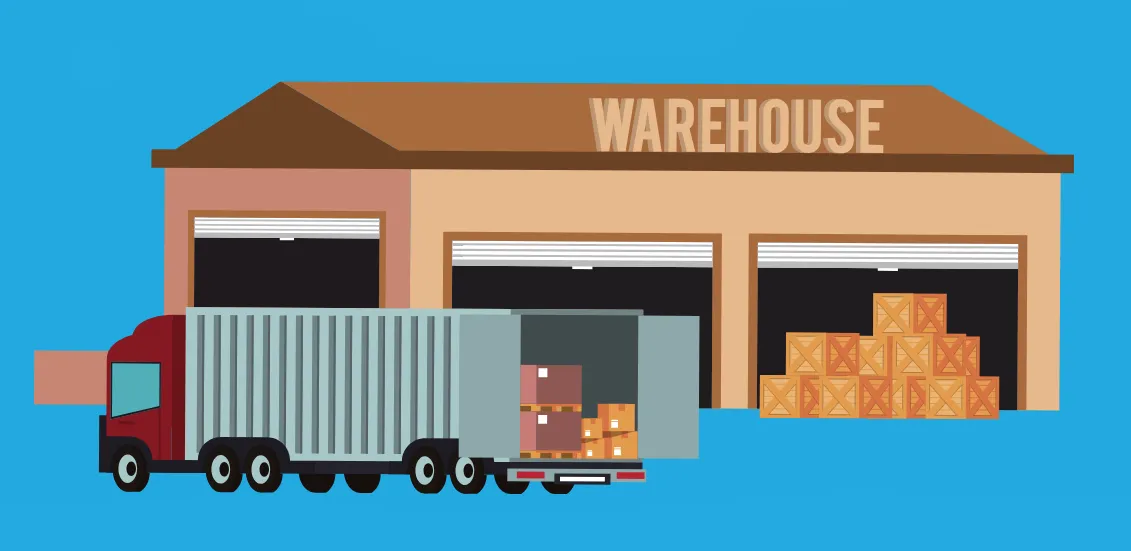
Watch: How a 3PL Works
A short animation showing what happens to an order once it reaches a third-party logistics provider, from inbound receiving through storage, picking, packing and the handoff to a carrier.
Streamline Your Supply Chain With Speed Commerce Today
Request a DemoWhat a 3PL Is Not
A 3PL provider is not a manufacturer because it doesn’t produce goods. Its role starts after the manufacturing process, focusing instead on logistics and distribution.
A 3PL is also neither a retailer nor a carrier. They neither sell products directly to consumers nor do they own transportation assets. That said, 3PLs typically manage transportation, i.e., the delivery of products to customers, by partnering with carriers. Think UPS, FedEx, DHL, OSM, and the like.
Also, a 3PL focuses specifically on logistics operations. In contrast, 4PL or 5PL providers manage entire supply chains or even multiple logistics providers.
What Are the Responsibilities of a 3PL?
A 3PL provider handles various logistics and supply chain management tasks to help you deliver products to your customers efficiently and effectively.
Warehousing
This typically involves storing products in 3PL warehouses, managing inventory levels, and ensuring product safety and security.
Transportation
Transportation entails arranging shipping and delivery, coordinating with carriers and freight companies, and tracking shipments to support OTIF goals.
Order Fulfillment
This primarily involves picking and packing orders, processing returns and exchanges, and managing order accuracy and delivery times.
Pick and pack fulfillment is one of the core services included in a 3PL partnership, covering everything from receiving inventory to packing individual orders for shipment.
Inventory Management
A 3PL monitors your stock levels, replenishes inventory as needed, and handles stock audits and reporting.
Customer Service
A 3PL can manage customer inquiries related to shipping and delivery and provide support for tracking and order issues.
Technology Integration
A 3PL provider implements and manages logistics software. It can also integrate with your eCommerce platform for seamless operations.
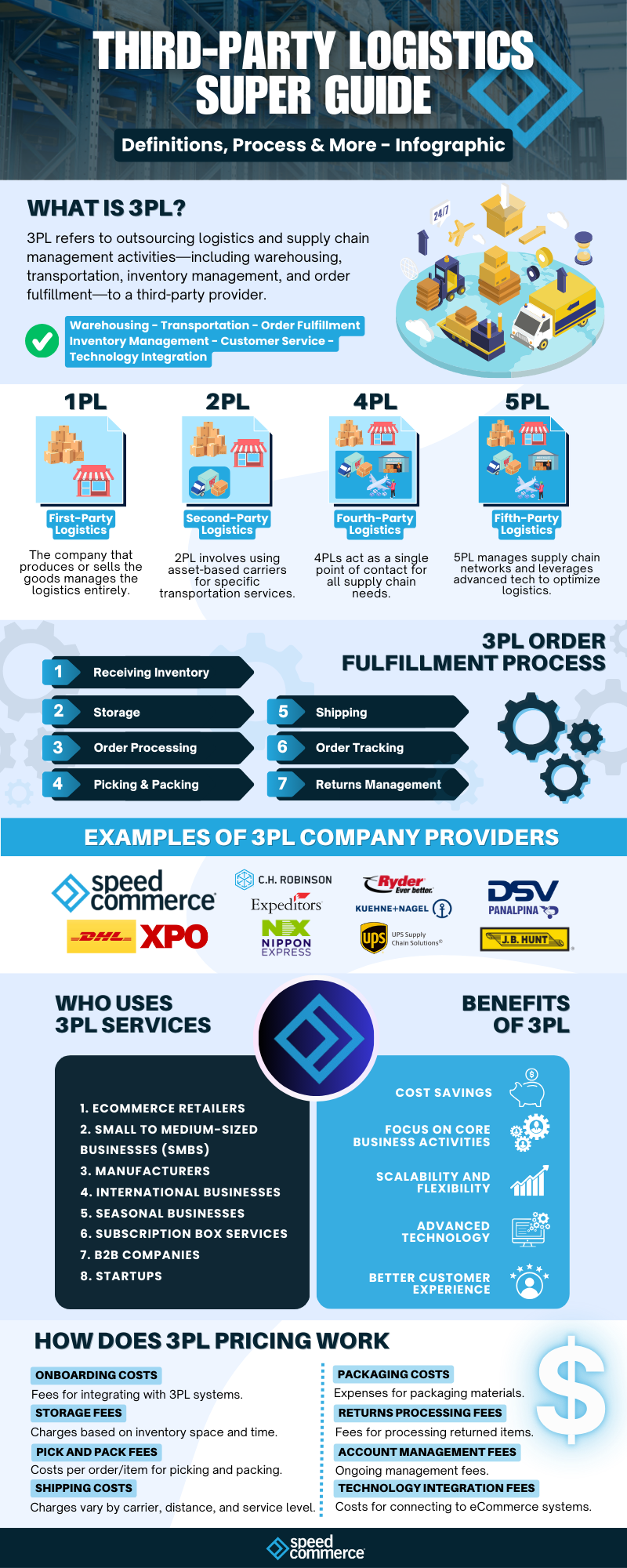
3PL Logistics Infographic
Use our Speed Commerce 3PL logistics infographic to learn what a 3PL is, how it works, what services 3PLs provide, how to pick the best 3PL, and more.
Latest 3PL & Fulfillment News 2026
Explore the latest news highlights on advancements in third-party logistics and fulfillment below.
January: Carriers Raise List Rates 5.9% Across the Board
UPS and FedEx both went out with average list-rate increases of 5.9% for 2026, effective December 22, 2025 and January 5, 2026. USPS raised Shipping Services prices on January 18, with Ground Advantage up 7.8% on average. Accessorial and surcharge schedules were refreshed at the same time, which is where most of the unexpected cost lands.
(References: ups.com rate changes; fedex.com/en-us/shipping/rate-changes.html; about.usps.com newsroom)
June: CBP Makes the End of De Minimis Permanent
U.S. Customs and Border Protection moved the suspension of the $800 de minimis exemption from executive-order policy into permanent regulation on June 24, 2026. Every commercial shipment entering the United States now needs formal customs entry, 10-digit HTS classification and full duty payment, whatever its value or origin. Landed-cost models built on duty-free entry under $800 no longer hold.
(Reference: U.S. Customs and Border Protection rulemaking, June 2026)
July: USPS Overhauls Ground Advantage Pricing
USPS restructured Commercial Ground Advantage on July 12, 2026. Ounce-based pricing under one pound is gone, the dimensional divisor dropped from 166 to 139, and every fractional inch now rounds up. Analysts put the blended effect at roughly 11.8%, with the sharpest impact on light parcels heading to rural and non-contiguous destinations.
(Reference: about.usps.com newsroom, competitive price changes for July 2026)
Mid-Year: Parcel Costs Hit a Record as Fuel Surcharges Climb
The TD Cowen/AFS Freight Index put the ground parcel rate per package at a record 42.4% above its January 2018 baseline in Q2 2026, up 6.9% year over year. Fuel did most of the damage, with the average net fuel surcharge per package rising about 40%. Armstrong & Associates sized the U.S. 3PL and contract logistics market at
23.4 billion for 2025, up 5.0%.(References: TD Cowen/AFS Freight Index Q2 2026; Armstrong & Associates 2026 market data)
What About 1PL, 2PL, 4PL & 5PL?
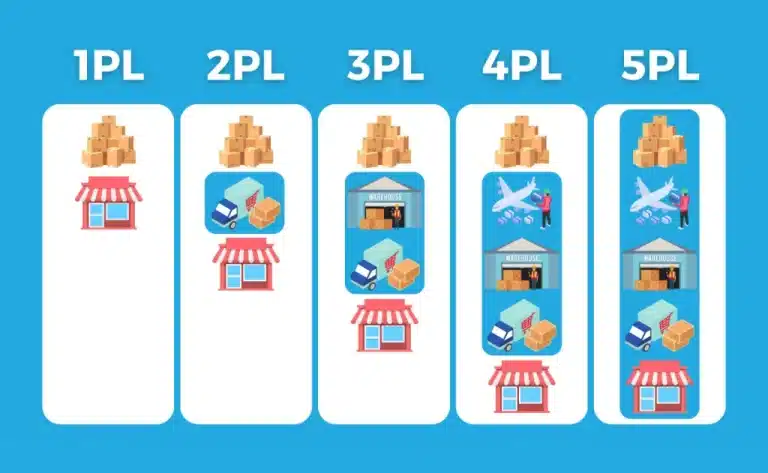
1PL (First-Party Logistics)
1PL refers to logistics activities managed entirely by the company that produces or sells the goods. In other words, the business handles all aspects of transportation, warehousing, and distribution internally.
Unlike 3PL, where logistics tasks are outsourced to providers, 1PL keeps everything in-house. This allows for complete control over logistics operations.
The downside here is 1PL requires significant resources and infrastructure. eCommerce businesses using 1PL may struggle with scaling operations due to limitations in internal capacity and resources.
2PL (Second-Party Logistics)
2PL involves using asset-based carriers for specific transportation services.
For example, a company might hire a trucking company to move goods from one location to another. This model focuses primarily on the transportation aspect of logistics and does not cover warehousing or full-scale logistics management like 3PL. Companies contract directly with carriers and handle other logistics aspects themselves.
The scope of 2PL is limited compared to 3PL, which provides more comprehensive solutions.
4PL (Fourth-Party Logistics)
4PL providers manage the entire logistics process for a company. They often oversee multiple 3PL providers, acting as a single point of contact for all supply chain needs.
Unlike 3PL, which handles specific logistics functions, 4PL manages the entire supply chain and offers a strategic partnership to optimize and coordinate logistics. This higher-level coordination typically involves multiple 3PLs and other logistics providers to deliver end-to-end solutions. However, this comprehensive approach can be more complex and costly. It may lead to less flexibility and higher dependence on the 4PL provider for all logistics functions as a result.
5PL (Fifth-Party Logistics)
5PL goes a step further by focusing on managing networks of supply chains and leveraging advanced technology, such as big data and AI, to optimize and automate logistics operations. This model aims to integrate and manage the complete supply chain network. However, the complexity and dependency on sophisticated technology can result in higher costs and require significant investment in technology infrastructure, which may not be feasible for smaller eCommerce businesses.
3PL vs. 4PL: A Quick Guide
When researching 3PL and logistics providers, you’ll likely come across the term “4PL.” 3PLs are much more common than 4PLs, but both relate to the outsourcing of order fulfillment and other key logistics processes. Therefore, it’s important to understand the difference between the two. In this section, we’ll go over the major differences between 3PL and 4PL to help you decide which one makes the most sense for your brand.
What Is a 4PL?
4PL, also known as Fourth-Party Logistics, refers to the outsourcing of a business’s supply chain management and logistics to an external service provider. 4PLs take on some of the same roles as 3PLs but have more accountability and responsibility than the latter.
Also commonly referred to as lead logistics providers (LLPs), 4PLs have a broader role within the supply chain. This can be seen in how they manage and delegate parts of the supply chain, including the transportation of goods, shipping orders to end customers, and managing 3PLs.
It’s worth noting that 3PLs within a 4PL’s network operate independently. They use a separate operational system and set unique standards and processes related to things like security and customer service.
How Do 4PLs Work?
In a nutshell, 4PLs manage an eCommerce business’s entire supply chain. They act as a single point of contact for operational support and communication with other vendors. By taking on a more strategic, operational role, the 4PL helps streamline logistics processes for the business.
With a 4PL, businesses also don’t have to worry about managing relationships with multiple vendors, finding ways to optimize the retail supply chain, or making important decisions on logistics. All of that is left up to the 4PL.
The only downside here is since every warehouse within a 4PL’s network operates independently, there can be inconsistencies in fulfillment.
Also, most 4PLs neither own nor lease assets (compare this with 3PLs that typically own warehouses and fulfillment centers). Instead, 4PLs coordinate transportation, warehousing, and shipping services with other logistics companies (read: 3PLs).
What Is an Example of 4PL Logistics?
Well-known examples of 4PL logistics companies include:
- Amazon. As one of the world’s largest eCommerce platforms, Amazon is one of the most well known examples of 4PL. It offers a comprehensive 4PL solution, including 3PL warehousing, transportation, and inventory management.
- DHL. As a global leader in 4PL services, DHL Supply Chain offers end-to-end supply chain management and consulting services for a wide range of eCommerce industries.
- UPS. Although best known for its parcel delivery services, UPS has expanded into the world of 4PL logistics. It provides integrated supply chain solutions through its subsidiary, UPS Supply Chain Solutions.
So, What’s the Difference Between 3PL and 4PL?
It all boils down to this: a 4PL manages the complete supply chain, while a 3PL concentrates on logistics.
The 3PL Order Fulfillment Process
Below is a table summarizing the typical 3PL fulfillment process.
| Step | Description |
|---|---|
| Receiving Inventory | Unloading, inspecting, and recording inventory details in the warehouse management system (WMS). |
| Storage | Organizing and storing inventory in the 3PL’s warehouse with real-time tracking using WMS. |
| Order Processing | Receiving order details through integrated OMS and processing the order. |
| Picking and Packing | Efficiently retrieving items from warehouse shelves and packing them according to business specifications. |
| Shipping | Labeling, coordinating with carriers, selecting shipping options, scheduling shipments, and managing shipping documentation and compliance. |
| Order Tracking | Providing real-time tracking information to the business and customer, including shipment status and estimated delivery time. |
| Returns Management | Handling the return process, including receiving, inspecting, processing refunds or exchanges, and updating inventory records. |
3PL vs. Other eCommerce Fulfillment Service Models
Below are the two most common fulfillment service models that eCommerce businesses use to pick, pack, and ship orders to customers.
Self or In-House Fulfillment
Self or in-house fulfillment entails managing the entire fulfillment process within your own business. This model gives you complete control over inventory management, order processing, picking and packing, and shipping.
This is ideal for eCommerce businesses with low order volumes or those that want to maintain direct oversight of their operations.
The downside here is self-fulfillment requires significant resources, which small to medium-sized businesses may not have. Also, as your business grows, scaling in-house operations can be time-consuming because it takes away your focus from core business activities.
Amazon FBA (Fulfillment by Amazon)
Amazon FBA is a popular fulfillment model where Amazon takes care of storage, packing, shipping, and customer service for your orders. By using FBA, you gain access to Amazon’s extensive logistics network, which offers fast and reliable shipping to customers worldwide. This model is especially advantageous for businesses looking to leverage Amazon’s Prime shipping benefits.
The main drawback of Amazon FBA is the cost.
Fees for storage, fulfillment, and additional services can add up and impact your profit margins. Relying on Amazon for fulfillment also means you have less control over the process and customer experience. Plus, there are restrictions on certain product categories, and following Amazon’s guidelines is essential to avoid penalties or even suspension.
| Capability | In-House Fulfillment | Amazon FBA | 3PL |
|---|---|---|---|
| 2-Day Shipping | Depends on your network | Yes, via Prime | Yes, from distributed nodes |
| B2B Fulfillment | Yes, if you build for it | Limited | Yes |
| Returns Management | You handle it | Amazon controls the process | Yes, to your rules |
| Integrations | Build and maintain your own | Amazon ecosystem first | Multi-platform, prebuilt |
| EDI (Electronic Data Interchange) | Build it yourself | Not offered | Yes |
| International Fulfillment | Complex to run alone | Limited by program and region | Yes |
| Ability to Handle Volume Swings | Constrained by your space and staff | Yes, within Amazon limits | Yes |
| Cost Efficiency at Low Volume | Poor, fixed costs dominate | Reasonable for small light items | Depends on tier and minimums |
| Custom Packaging and Inserts | Full control | Restricted by Amazon prep rules | Yes |
| Branded Customer Service | Yes, your team | Amazon owns the interaction | Yes, white-labeled |
| Inventory Management | Your systems | Amazon systems, limited visibility | Yes, with client portal |
| Warehouse Technology | You buy and maintain it | Included, not configurable | Included and configurable |
| Flexibility on Exceptions | Total, if you have capacity | Low, rules are fixed | Negotiable in contract |
| Special Handling (kitting, hazmat, cold chain) | Yes, if equipped | Restricted categories | Yes, provider dependent |
Examples of 3PL Company Providers & Some That Are Not (& Is DHL Really a 3PL?)
In this section, let’s delve into identifying established 3PL logistics companies, understanding the depth and breadth of their services, and spotlighting entities that, while significant in the logistics field, are not 3PLs in the strictest sense.
But First, What Exactly Is a 3PL Company?
At a glance, the term “3PL” refers to companies that manage and execute logistics operations for another organization’s products, often providing multiple services in the realm of supply chain management. But let’s dig deeper into 3PL third party logistics definition, as well as its roles and the advantages it brings to businesses.
A 3PL company, in essence, is an external service provider that takes on various logistics-related operations of its clients. This partnership allows businesses to outsource tasks such as warehousing, transportation, order fulfillment, inventory management, and even more complex services like product kitting, cross-docking, and freight forwarding. For shippers who want to keep freight costs predictable, getting an accurate freight shipping quote upfront is one of the easiest ways to avoid re-rates and hidden fees.
A 3PL company acts as a bridge between manufacturers or retailers and their end customers, ensuring that products reach their destination efficiently and effectively. As the dynamics of global trade continue to evolve, these third-party entities remain pivotal in ensuring the smooth flow of goods across the global marketplace.
Examples of Renowned 3PL Companies
The logistics industry boasts an array of companies offering varied services. Among these, a select few stand out as notables, recognized for their extensive networks, technological advancements, or reliable service. Below, we highlight some of the biggest 3PL companies in the US:
1. Speed Commerce
Speed Commerce is a prominent logistics provider that focuses on end-to-end e-commerce solutions. From order fulfillment and customer care to tech-savvy platforms, the company integrates every aspect of the online retail journey.
Services Offered: Order fulfillment, digital platforms, customer care, and freight services.
2. DHL Supply Chain & Global Forwarding
Yes DHL is a 3PL, offering standard 3PL services, but it’s known more by the public as a freight company that other 3PLs use, hence the confusion around DHL. A part of the larger DHL brand, this arm specializes in logistics, offering global reach combined with local market expertise.
Services Offered: Air and ocean freight, warehousing solutions, customs, security, and insurance services.
3. XPO Logistics
Renowned for its tech-driven approach, XPO Logistics operates in over 30 countries, delivering cutting-edge supply chain solutions.
Services Offered: Freight brokerage, last mile logistics, contract logistics, and global forwarding.
4. C.H. Robinson Worldwide
A global leader in third party logistics, C.H. Robinson offers a vast range of transportation and logistics services.
Services Offered: Freight forwarding, transportation management, supply chain and data analytics.
5. Expeditors International of Washington
Recognized for its global network, Expeditors seamlessly handles goods across international borders.
Services Offered: Supply chain solutions, transportation, customs and compliance.
6. Nippon Express
With its roots in Japan, Nippon Express serves as a global logistics company, offering diverse services.
Services Offered: Air and ocean freight, road transportation, warehousing, and supply chain management.
7. Ryder Supply Chain Solutions
Known for its deep industry knowledge, Ryder offers tailored logistics and supply chain solutions.
Services Offered: Fleet management, dedicated transportation, and commercial rental.
8. Kuehne + Nagel
Established in 1890, this Swiss-based company has grown to become a global leader in logistics solutions.
Services Offered: Sea logistics, air logistics, road logistics, and contract logistics.
9. UPS Supply Chain Solutions
Beyond its renowned courier services, UPS delves deep into logistics with its supply chain solutions segment.
Services Offered: Freight shipping, distribution and service parts logistics, customs brokerage.
10. DSV Panalpina
With its expansive network, DSV Panalpina offers transport and logistics globally.
Services Offered: Air and sea transport, road transport, warehousing, and supply chain solutions.
11. J.B. Hunt Integrated Capacity Solutions
J.B. Hunt provides innovative supply chain solutions across North America.
Services Offered: Intermodal, dedicated, final mile, and more.
Common Misconceptions About 3PL Plus Companies Mistaken as 3PLs
In the realm of logistics, the lines between different service providers often blur, leading to misconceptions. This can result in businesses partnering with entities that might not offer the comprehensive solutions they anticipate from a 3PL. Let’s demystify some of these misconceptions and clarify which companies, though crucial in the logistics domain, are not 3PLs in the strictest sense.
Freight Forwarders
Freight forwarders specialize in arranging the transportation of goods across international borders. They typically handle documentation, regulations, cargo consolidation, and sometimes, warehousing.
While freight forwarders are crucial for international shipping, they don’t usually offer an end-to-end logistics solution. Their primary function is to ensure goods are transported from one country to another, not the holistic management of a supply chain.
Brokers or Transportation Intermediaries
Brokers connect shippers with transportation services, acting as the middlemen. They find the most suitable carriers for the goods in terms of timing, cost, and route, without typically handling the goods themselves.
Brokers don’t possess assets like trucks or warehouses. Their role is mainly coordinative, not comprehensive. A 3rd party logistics company, in contrast, offers a broader array of services, often owning or controlling the assets used.
Courier Services (like FedEx or UPS)
Couriers are companies that deliver packages and mail, often with a focus on speed and individual parcel tracking.
While many courier services have expanded to offer some 3PL-like services due to market demand, their primary function remains parcel delivery. They might not provide integrated supply chain solutions as a dedicated 3PL would.
Warehouse-Only Service Providers
These are companies that offer storage solutions without the broader range of logistics services. They lease space to businesses for storing goods.
While warehousing is a vital component of logistics, it’s just one piece of the puzzle. 3PLs combine warehousing with transportation, distribution, and often, many other value-added services.
Digital Freight Marketplaces
Emergent digital platforms that connect shippers with carriers, much like a digital broker. They rely on technology to automate and optimize shipping processes.
Although they bring a tech-forward approach to freight management, these platforms primarily act as intermediaries. They lack the end-to-end, integrated solutions characteristic of 3PLs.
Dropshipping Companies
Dropshipping entities hold inventory for businesses and ship products directly to consumers once a sale is made. The retailer doesn’t handle the product directly.
Dropshipping is an eCommerce fulfillment model, not a complete logistics solution. 3PLs can facilitate dropshipping, but their services extend far beyond it.
Trucking Companies
These companies specialize in the transportation of goods via trucks. They might offer a range of services like LTL (Less than Truckload) or FTL (Full Truckload) shipments.
Trucking is specific to the transport aspect of the supply chain. 3PLs, on the other hand, offer integrated solutions encompassing storage, distribution, and more.
Who Benefits From 3PL Services?
3PL services can be advantageous for a wide range of businesses, including the following:
1. eCommerce Retailers
Online stores that need to manage large volumes of orders, especially during peak seasons, can benefit from the scalability and efficiency offered by 3PL providers.
By outsourcing logistics, eCommerce retailers can focus on marketing and customer engagement while ensuring timely and accurate deliveries.
2. Small to Medium-Sized Businesses (SMBs)
SMBs often lack the resources and infrastructure to handle logistics internally. 3PL services provide these businesses with access to sophisticated logistics solutions without the need for significant capital investment.
3. Manufacturers
Manufacturers can streamline their supply chains by outsourcing warehousing, distribution, and transportation to 3PL providers.
This allows them to focus on their core competencies — producing high-quality products — while ensuring efficient delivery to distributors and end customers.
4. International Businesses
Companies operating on a global scale face complex logistics challenges, including customs regulations and international shipping. 3PL providers with expertise in global logistics can help navigate these challenges, ensuring smooth and compliant international operations.
5. Seasonal Businesses
Businesses with seasonal demand fluctuations, such as holiday merchandise retailers, benefit from the flexibility of 3PL services.
They can scale logistics operations up or down based on demand, avoiding the costs associated with maintaining year-round infrastructure.
6. Subscription Box Services
Subscription box companies rely on timely and accurate deliveries to maintain customer satisfaction. 3PL providers can handle the intricate logistics of packing and shipping subscription boxes, ensuring consistent and reliable service.
7. B2B Companies
Businesses that sell products to other businesses (B2B) often require complex logistics solutions, including bulk shipments and specialized handling.
3PL providers can offer tailored solutions to meet the unique needs of B2B logistics.
8. Startups
Startups can leverage 3PL services to quickly establish efficient logistics operations without the need for significant upfront investments. This allows them to focus on growth and development while ensuring a professional and reliable logistics setup from the start.
8 Most Valuable 3PL Services to Look For
Inventory Management
Effective inventory management ensures that products are stored efficiently, stock levels are maintained, and inventory is tracked accurately.
This service helps prevent stockouts and overstock situations, optimizing storage space and reducing carrying costs.
2-Day Shipping
Offering 2-day shipping can significantly enhance customer satisfaction and loyalty.
A 3PL provider with robust transportation networks and efficient order processing can help you meet fast delivery expectations. This can help keep you competitive in the market.
Distributed Inventory
Distributed inventory involves strategically placing products in multiple warehouses closer to your customers. This service reduces shipping times and costs, enabling quicker deliveries and improving the overall customer experience.
B2B and DTC Fulfillment
A reliable 3PL should offer both B2B (business-to-business) and DTC (direct-to-consumer) fulfillment services.
This flexibility allows you to cater to different customer bases, whether you’re shipping bulk orders to retailers or individual orders to consumers.
Returns Management
Efficient returns management is crucial for maintaining customer satisfaction and operational efficiency.
A 3PL provider can handle the entire returns process, from receiving and inspecting returned items to restocking or disposing of them appropriately.
Kitting and Customization
Kitting and customization services involve assembling products into kits or offering personalized packaging options. These services add value to your offerings, enabling you to meet specific customer requirements and enhance your product appeal.
Advanced Data Analytics
Advanced data analytics provide valuable insights into your supply chain performance, inventory levels, and customer behavior.
A 3PL provider with robust analytics capabilities can help you make data-driven decisions to optimize your operations and improve efficiency.
International Fulfillment
International fulfillment services handle the complexities of shipping products across borders, including customs clearance and international shipping regulations.
A 3PL provider experienced in global logistics can ensure smooth and compliant international operations, expanding your reach to global markets.
What Are the Benefits of Working With a 3PL?

There are several benefits to outsourcing fulfillment to a 3PL company, such as:
1. Cost Savings
3PL companies specialize in logistics and supply chain management and leverage economies of scale to reduce costs. By outsourcing your fulfillment operations, you can save on expenses related to warehousing, labor, technology, and shipping.
3PLs often have established relationships with carriers, enabling them to negotiate better shipping rates. These cost savings can be passed on to your business to improve your profit margins and overall efficiency.
2. Focus on Core Business Activities
Managing logistics in-house can be time-consuming and divert your attention from strategic initiatives.
By partnering with a 3PL, you can delegate the complexities of fulfillment to experts and free up your resources to drive business growth and innovation.
3. Scalability and Flexibility
3PLs offer the scalability needed to handle fluctuations in order volume and support business growth.
During peak seasons or promotional events, a 3PL can scale up operations to meet increased demand.
3PLs can also support expansion into new markets by providing the necessary infrastructure and logistics capabilities without requiring significant upfront investment. This flexibility ensures that your key logistics operations can adapt to changing business needs.
4. Advanced Technology
3PL providers invest in advanced technology and systems to optimize their logistics operations. By partnering with a 3PL, you gain access to state-of-the-art tools such as WMS, order management systems (OMS), and real-time tracking and analytics. These technologies enhance visibility, improve accuracy, and streamline processes.
5. Better Customer Experience
A 3PL can help you deliver a superior customer experience by ensuring fast, accurate, and reliable order fulfillment.
For example, a 3PL with multiple strategically located fulfillment centers can reduce shipping times and costs and offer customers a variety of delivery options.
Efficient handling of returns and exchanges also contributes to higher customer satisfaction.
How Speed Commerce Works
Speed Commerce is a leading 3PL company that provides comprehensive logistics solutions for online businesses of all sizes and across various industries. We specialize in servicing sectors such as apparel, consumer goods, electronics, and ensure that your products reach your customers efficiently and reliably.
We seamlessly integrate with popular eCommerce platforms like Shopify, Magento, and WooCommerce to make it easy for you to manage your orders and inventory.
Our partnerships with major carriers such as UPS, FedEx, and DHL also allow us to offer fast and reliable shipping options.
At Speed Commerce, we handle everything from inventory management and order fulfillment to returns processing and advanced data analytics. By leveraging our extensive network and state-of-the-art technology, we streamline your logistics operations to help you focus on growing your business and enhancing customer satisfaction.
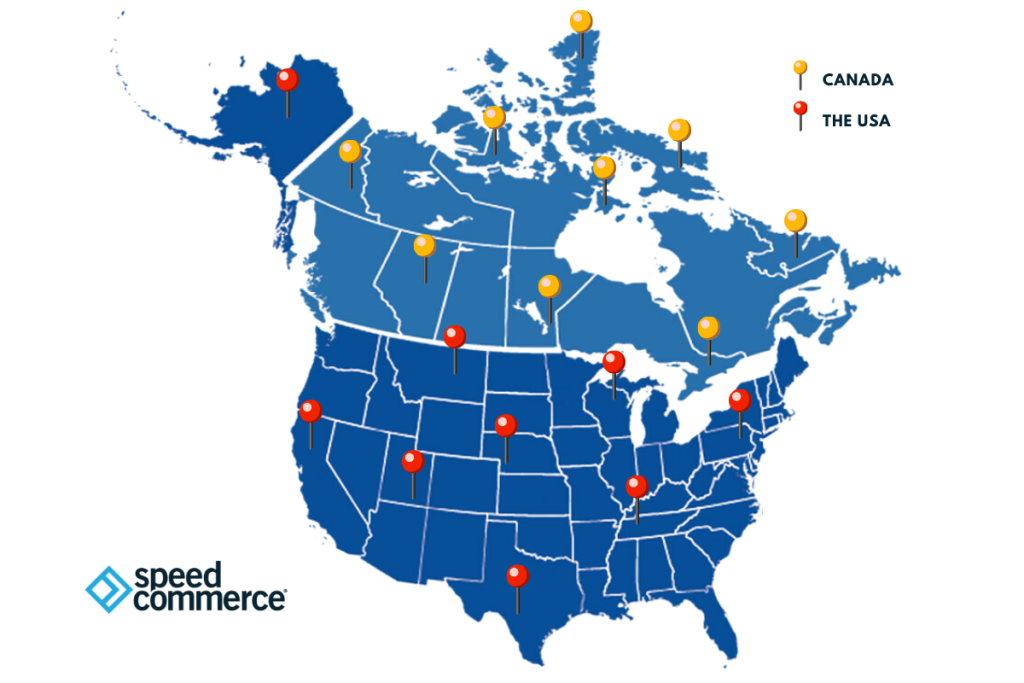
Where We Serve—Speed Commerce
Speed Commerce is proud to support businesses across the USA and Canada with our reliable 3PL services.
How Does 3PL Pricing Work?
3PL pricing depends on the 3PL’s pricing model and your business’s specific needs. Here are some of the most common 3PL costs.
| Step | Description |
|---|---|
| Onboarding Costs | Initial setup fees for integrating your business with the 3PL provider’s systems and processes |
| Storage Fees | Charges for storing your inventory in the 3PL provider’s warehouses, usually based on space and time |
| Pick and Pack Fees | Fees for picking items from storage and packing them for shipment, often charged per order or per item |
| Shipping Costs | Costs associated with shipping orders to customers, which can vary based on carrier, distance, and service level |
| Packaging Costs | Expenses for the materials used to package your products, such as boxes, tape, and cushioning |
| Returns Processing Fees | Fees for handling returns, including receiving, inspecting, restocking, or disposing of returned items |
| Account Management Fees | Ongoing fees for managing your account and ensuring smooth operation of logistics services |
| Technology Integration Fees | Costs for integrating the 3PL provider’s technology with your eCommerce platform and other systems |
When Should You Hire a 3PL?
Here are some key questions to ask yourself to determine if partnering with a 3PL is the right move for your business:
Are you struggling to keep up with order volume?
As your business grows, managing an increasing number of orders can become challenging.
If you’re finding it hard to keep up with order fulfillment and delivery times are slipping, a 3PL can help scale your operations efficiently.
Do you lack the necessary infrastructure?
Effective logistics require significant infrastructure, including warehouses, transportation networks, and technology systems.
If your business lacks these resources, a 3PL provider can offer the necessary infrastructure without the high capital investment.
Is your logistics process affecting customer satisfaction?
Customer satisfaction is closely tied to timely and accurate deliveries. If your logistics process is causing delays or errors, it may be time to consider a 3PL. Professional logistics management can enhance your reliability and improve customer satisfaction.
Are logistics costs eating into your profits?
Managing logistics in-house can be expensive.
If logistics costs are consuming a large portion of your budget, a 3PL can help optimize these expenses through economies of scale and efficient processes.
Do you want to expand internationally?
Entering international markets comes with complex logistics challenges, including customs regulations and international shipping.
A 3PL provider with expertise in global logistics can simplify this process, helping you expand your business internationally.
Are you spending too much time on logistics?
Logistics management can be time-consuming, taking focus away from your core business activities. If logistics tasks are monopolizing your time, outsourcing to a 3PL can free you up to concentrate on growing your business and improving your products.
Is your business seasonal?
If your business experiences significant fluctuations in demand, such as during holiday seasons, a 3PL can provide the flexibility to scale operations up or down as needed, avoiding the costs of maintaining year-round infrastructure.
Do you need advanced logistics capabilities?
Modern logistics often require advanced capabilities like real-time tracking, data analytics, and integrated technology systems.
If your business needs these capabilities but lacks the resources to implement them, a 3PL provider can offer these advanced services.
What Types of Companies Use 3PLs in 2025?

A wide range of companies across various industries leverage the expertise of 3PL providers to streamline their supply chain operations and improve efficiency. Here are some of the types of companies that benefit from using 3PL services:
eCommerce Businesses
eCommerce companies, from small online shops to large marketplaces, often rely on 3PL providers to handle their order fulfillment, warehousing, and shipping needs.
As these businesses scale, managing logistics in-house can become challenging.
3PL providers offer the necessary infrastructure and expertise to ensure efficient and accurate order processing, allowing eCommerce businesses to focus on growth and customer engagement.
Retailers
Brick-and-mortar retailers also benefit from 3PL services, particularly those with an omnichannel approach.
Managing inventory across multiple locations, fulfilling online orders, and ensuring timely deliveries require sophisticated logistics solutions. 3PL providers help retailers manage their supply chains more effectively, providing services such as inventory management, distribution, and returns processing.
Manufacturers
Manufacturers use 3PL providers to streamline their supply chain operations, from raw material procurement to product distribution.
By outsourcing logistics tasks, manufacturers can focus on their core competencies — producing high-quality goods.
3PL providers offer warehousing, transportation, and inventory management services, ensuring products move efficiently from production lines to end customers.
Wholesalers and Distributors
Wholesalers and distributors handle large volumes of goods, often requiring extensive warehousing and transportation capabilities. 3PL providers help these companies manage their inventory, optimize storage space, and coordinate deliveries to various retail locations. This partnership ensures efficient distribution and reduces the logistical burden on wholesalers and distributors.
Subscription Box Services
Subscription box companies rely on timely and consistent deliveries to maintain customer satisfaction.
3PL providers offer specialized services such as kitting and customization, where individual items are assembled into subscription boxes.
By outsourcing these logistics tasks, subscription box companies can focus on curating their products and enhancing the customer experience.
Seasonal Businesses
Companies with seasonal demand fluctuations, such as holiday merchandise retailers or outdoor equipment suppliers, benefit from the scalability of 3PL services.
3PL providers can ramp up operations during peak seasons and scale down during off-peak periods, providing the flexibility needed to manage variable demand without incurring high fixed costs.
B2B Companies
Businesses that sell products to other businesses (B2B) often deal with large, complex orders requiring specialized logistics solutions. 3PL providers offer tailored services to meet the unique needs of B2B logistics, including bulk shipping, freight coordination, and customized inventory management. This ensures efficient and reliable supply chain operations for B2B companies.
Startups
Startups can quickly establish efficient logistics operations by partnering with a 3PL provider.
This allows them to focus on growth and development without the need for significant upfront investments in logistics infrastructure. 3PL providers offer scalable solutions that can grow with the startup, providing a professional and reliable logistics setup from the start.
How to Choose the Best 3PL Company
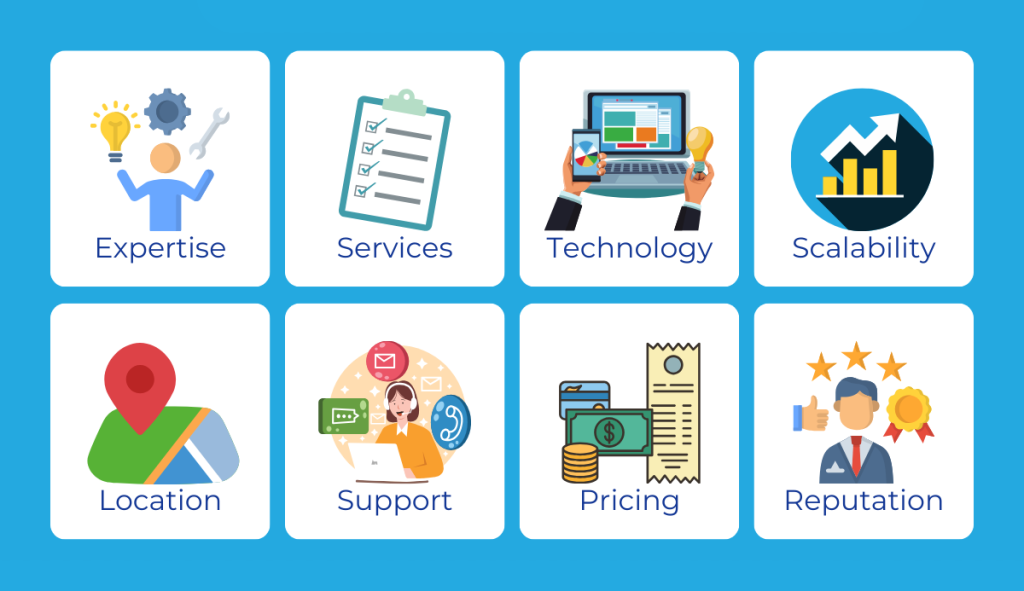
Choosing the right 3PL provider is important for optimizing your supply chain operations. Here are key factors to consider when choosing the best 3PL company for your eCommerce business:
Experience and Expertise
When evaluating 3PL providers, consider their experience and expertise in your specific industry.
A provider with a proven track record and in-depth knowledge of your sector can better understand your unique logistics needs and challenges, ensuring efficient and effective service.
Range of Services
Look for a 3PL that offers a comprehensive range of services tailored to your business needs.
This includes warehousing, transportation, inventory management, order fulfillment, returns processing, and more.
A provider with a broad service portfolio can address all your logistics needs under one roof.
Technology and Integration
Choose a 3PL provider that uses advanced technology and offers easy integration with your eCommerce platforms, inventory management systems, and other essential tools. This ensures real-time visibility and efficient management of your supply chain.
Scalability
Your logistics needs may change as your business grows.
It’s important to partner with a 3PL provider that can scale their services to match your evolving requirements.
Whether you experience seasonal fluctuations or long-term growth, a scalable 3PL can adjust their operations to meet your needs.
Location and Network
Consider the geographic locations and network of the 3PL provider’s warehouses and distribution centers. For example, Speed Commerce has a California 3PL warehouse because of the state’s economic diversity and position as a global economic powerhouse.
Brands that ship heavily into the eastern half of the U.S. should also look at East Coast 3PL warehousing and fulfillment to place inventory closer to customers across the Northeast, Mid-Atlantic, and Southeast.
A provider with strategically located facilities can reduce shipping times and costs, improving your overall logistics efficiency and customer satisfaction.
Customer Service
Strong customer service is crucial when dealing with logistics challenges.
Look for a 3PL provider with a reputation for responsive and reliable customer support. This ensures that any issues are promptly addressed, and you receive the assistance you need to keep your operations running smoothly.
Cost and Pricing Structure
Evaluate the cost and pricing structure of potential 3PL providers. Understand their fee models, including any hidden charges, to ensure their services align with your budget. A transparent pricing structure helps you manage logistics costs effectively without unexpected expenses.
References and Reviews
Seek references and reviews from other businesses that have worked with the 3PL provider. Customer testimonials and case studies can provide valuable insights into their strengths and weaknesses, helping you make an informed decision.
Third-Party Logistics Glossary | 3PL, B2B & More
Still confused about common 3PL logistics terms and definitions? Our easy-to-read glossary will clear the way, whether you’re a new eCommerce business just starting out in logistics or a seasoned enterprise looking for a list of common terms associated with third party logistics to share with your team.
| Term | Definition |
|---|---|
| 3PL | Third-Party Logistics (also 3rd party logistics, third-party logistics, and 3PL logistics), a service provider that manages logistics operations for businesses |
| 3PL Integration | Connecting a company’s systems with its 3PL provider’s systems |
| 3PL Provider | A company that offers logistics services to other companies |
| B2B (Business-to-Business) | Transactions between businesses rather than with individual consumers |
| B2C (Business-to-Consumer) | Transactions between businesses and individual consumers |
| Consolidation | Combining multiple shipments into one to optimize shipping costs |
| Containerization | Using containers to standardize and facilitate the transportation of goods |
| Cross-Docking | Moving products directly from receiving to shipping without storing them |
| Customs Clearance | The process of clearing goods through customs regulations for import or export |
| Cycle Counting | Regular, scheduled inventory counts to ensure accuracy |
| Deconsolidation | Splitting a large shipment into smaller orders for final delivery |
| Demand Forecasting | Predicting future product demand to guide inventory and supply chain decisions |
| Demand Planning | Forecasting future product demand to ensure adequate inventory levels |
| Distribution | The process of delivering products from a warehouse to the end customer |
| Docking | The process of bringing a truck or container to a loading dock for loading or unloading |
| EDI (Electronic Data Interchange) | The exchange of business documents between companies electronically |
| Freight Brokerage | Service that arranges transportation of goods between shippers and carriers |
| Freight Forwarding | Coordinating the shipment of goods from one location to another |
| FTL (Full Truckload) | Shipping method where a truck is filled with goods from one shipper |
| Fulfillment | The process of receiving, processing, and delivering orders to customers |
| Hub-and-Spoke Distribution | Distribution model where goods are sent to a central hub and then distributed to various locations |
| Inventory Management | Tracking and managing stock levels of products |
| Inventory Replenishment | The process of restocking inventory to maintain optimal levels |
| Inventory Turnover | The rate at which inventory is sold and replaced over a period |
| Just-in-Time (JIT) | Inventory strategy to receive goods only as needed to reduce storage costs |
| KPI (Key Performance Indicator) | Metrics used to evaluate the success of logistics and supply chain operations |
| Last-Mile Delivery | The final step of delivering goods to the end customer |
| Lead Time | The total time taken from placing an order to receiving it |
| LTL (Less Than Truckload) | Shipping method for smaller loads that do not require a full truck |
| Load Optimization | Arranging goods in a way to maximize space and efficiency in shipping |
| Order Fulfillment Center | Facility focused on processing and shipping customer orders |
| Order Management | Handling and processing customer orders |
| Packaging | Materials and methods used to protect and contain products during shipping |
| Pick and Pack | Selecting products from inventory and packing them for shipment |
| Procurement | The process of acquiring goods and services from suppliers |
| Return Management | Handling returns and exchanges of products |
| Reverse Logistics | Managing the return and disposal of goods |
| Safety Stock | Extra inventory held to prevent stockouts due to unexpected demand or delays |
| SCM (Supply Chain Management) | Coordinating and managing the entire supply chain from supplier to customer |
| Shipping | The act of transporting goods by sea, air, or land |
| Shipping Carrier | Company responsible for transporting goods from one location to another |
| SKU (Stock Keeping Unit) | A unique identifier for each product in inventory |
| SLA (Service Level Agreement) | A contract outlining the level of service expected from a provider |
| Supply Chain Visibility | Ability to track and monitor goods throughout the supply chain |
| TMS (Transportation Management System) | 3PL software used to manage transportation and logistics operations |
| Transit Time | The duration it takes for goods to move from origin to destination |
| Transportation Management | Overseeing the movement of goods from origin to destination |
| Vendor Management | Overseeing and managing relationships with suppliers and service providers |
| Warehousing | Storage of goods and products in a warehouse |
| Warehousing Management System (WMS) | Software used to manage and control warehouse operations |
Frequently Asked Questions About Third-Party Logistics
Q: What does 3PL mean?
A: 3PL stands for Third-Party Logistics, which refers to outsourcing logistics and supply chain management tasks to a specialized provider.
Q: What is 3PL logistics?
A: Third party logistics involves the use of third-party businesses to handle various logistics functions, such as warehousing, transportation, order fulfillment, and inventory management, to streamline supply chain operations.
Q: What is a 3PL company?
A: A 3PL company is a service provider that offers 3rd party logistics services to businesses, helping them manage their supply chain operations more efficiently by handling tasks like storage, shipping, and fulfillment.
Q: How does a 3PL provider improve my business operations?
A: A 3PL provider improves your business operations by leveraging their expertise, infrastructure, and technology to optimize logistics processes, reduce costs, enhance scalability, and improve delivery times.
Q: What industries benefit most from 3PL services?
A: Industries such as eCommerce, retail, manufacturing, wholesale distribution, subscription box services, and international trade benefit significantly from 3PL services due to the complex logistics requirements involved.
Q: Can a 3PL handle international shipping?
A: Yes, many 3PL providers offer international shipping services, including customs clearance, compliance with international regulations, and coordination with global carriers to facilitate smooth cross-border logistics.
Q: How do I integrate a 3PL provider with my eCommerce platform?
A: Most 3PL providers offer technology solutions that integrate seamlessly with popular eCommerce platforms like Shopify, Magento, and WooCommerce, allowing for real-time order and inventory management.
Q: What are the typical costs associated with 3PL services?
A: Typical costs associated with 3PL services include onboarding fees, storage fees, pick and pack fees, shipping costs, packaging expenses, returns processing fees, account management fees, and technology integration fees.
Q: How do 3PL providers handle returns?
A: 3PL providers handle returns by receiving and inspecting returned items, restocking or disposing of products as needed, and managing the entire reverse logistics process to ensure efficient handling of returns.
Q: How do I choose the right 3PL provider for my business?
A: Choosing the right 3PL provider involves evaluating factors such as their experience and expertise, range of services, technology integration, scalability, location and network, customer service, cost structure, performance metrics, and references and reviews.

Jennifer Bennett
Demand Generation Manager at Speed Commerce
Jennifer supports marketing and content initiatives at Speed Commerce, helping ecommerce businesses better understand fulfillment, shipping, and the operational strategies that support sustainable growth.
Choose Speed Commerce for Your 3PL Needs

Speed Commerce is your trusted partner when it comes to optimizing your logistics and supply chain management.
As a leading 3PL provider, we offer comprehensive services tailored to meet the unique needs of your eCommerce business, including Shopify fulfillment services, collectibles fulfillment services, and fulfillment services for Fortune 500 companies. From inventory management and order fulfillment to advanced data analytics and international shipping, we have the expertise and infrastructure to streamline your operations and boost customer satisfaction.
Choose Speed Commerce and gain access to our extensive network, state-of-the-art technology, and dedicated support team. We seamlessly integrate with popular eCommerce platforms and work with major carriers to ensure fast and reliable deliveries. Let us handle the complexities of logistics so you can focus on growing your business.
Transform Your Logistics Strategy With Speed Commerce
More 3PL & Logistics Resources From Speed Commerce
Our eCommerce fulfillment service is built for direct-to-consumer brands that need fast, accurate order processing with full visibility at every step.
Third-Party Logistics (3PL)
Outsourcing logistics and supply chain management activities to a provider.
Order Fulfillment Process
Involves inventory management, warehousing, order processing, picking and packing, and shipping.
See Order Fulfillment Process Steps
Subscription Box Fulfillment
The shipping of products from an eCommerce business to a customer on a predetermined schedule.
See Subscription Box Fulfillment Definition
3PL for TikTok
The entire process of receiving, packing, and shipping TikTok orders to customers.