3PL Fulfillment for Pet Supplies
Turbocharged
Scale in the fast lane with 40+ years
of proven reliability
A need for Speed? Accelerate your growth!
Fulfillment experts since 1982
Looking for a better fulfillment solution?
A fulfillment expert will get back to you within 1-2 business days.


eCommerce
Fulfillment
B2B
Fulfillment
Call Center
Services
3PL Fulfillment for Pet Supplies
Speed Commerce provides third-party logistics (3PL) and fulfillment services for manufacturers, distributors, wholesalers, retailers, and eCommerce businesses selling pet supplies. Fulfillment capabilities include real-time inventory management, warehousing, eCommerce fulfillment, outsourced fulfillment, pick and pack, kitting and assembly, shipping, and returns support across a wide range of pet product categories. These services can be adapted to different product assortments, sales channels, and order profiles as fulfillment needs change.
With established fulfillment infrastructure, inventory technology, and experienced warehouse teams, Speed Commerce helps businesses maintain visibility into stock levels, order activity, and product movement. These capabilities can support changing order volumes, seasonal demand, expanding product catalogs, and multi-channel sales while reducing the amount of day-to-day logistics work managed internally. Businesses can also rely on additional warehouse capacity and fulfillment resources as they add new products, enter new markets, or prepare for busier sales periods.
How Pet Supplies Are Stored, Packed, and Shipped
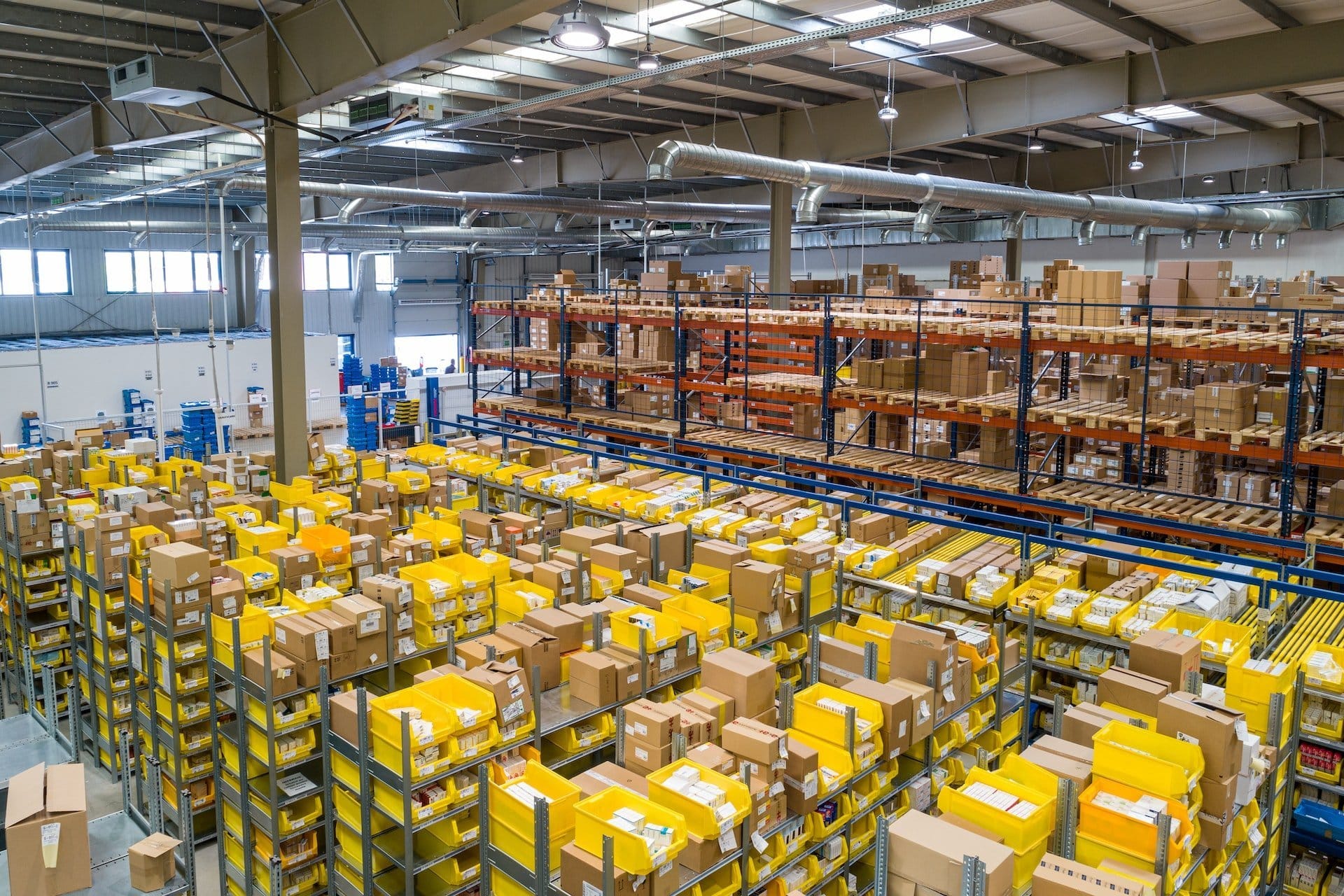
Pet products and supplies can vary widely in size, weight, material, and storage needs. Dry pet food, treats, grooming products, toys, bowls, collars, leashes, litter, beds, and other items may require different warehouse locations based on their packaging and dimensions. Inventory can also be organized by product type, size, flavor, scent, pack quantity, and stock keeping unit (SKU), while lot or expiration information can be tracked for applicable consumable products.
Packing methods can depend on whether an order contains heavy, bulky, liquid, fragile, or easily crushed pet supplies. Bags of food or litter may require sturdy cartons, while bottles of shampoo and other liquids may need added protection against leaks. Toys, feeding accessories, grooming tools, and mixed-product orders can also be packed according to their shapes and weights so heavier items do not damage smaller products during transit.
Before shipment, fulfillment teams can verify product variations, quantities, package condition, and any applicable date or lot information. Speed Commerce can support 3PL fulfillment for Pet Supplies with organized inventory handling, pick and pack, protective packaging, and shipping for both individual items and larger multi-product orders. These processes can also support subscription shipments, seasonal pet products, promotional bundles, and returns across a growing pet supply catalog.
Speed Commerce 3PL Services for Growing Businesses
Speed Commerce supports retailers, manufacturers, distributors, wholesalers, and eCommerce brands with warehousing and order fulfillment services designed for changing operational needs. Businesses can gain access to flexible fulfillment capacity, technology integrations, and shipping support without managing every logistics function in-house. Its 3PL services can support changing inventory levels, seasonal demand, and higher order volumes as operations expand. Centralizing fulfillment with one provider can also make it easier to manage orders, shipping activity, and warehouse operations across multiple sales channels.
Reduce in-house labor and warehouse investment
Warehouse capacity that adjusts to seasonal demand and business growth
Fulfillment capacity that can expand as inventory and order volume grow
U.S. fulfillment locations that support faster shipping across multiple regions
Integrations with popular eCommerce platforms and marketplaces, including Etsy, eBay, and more
3 Factors That Shape Fulfillment Performance
Effective fulfillment depends on more than moving orders from the warehouse to the customer. Retailers, manufacturers, distributors, wholesalers, and eCommerce brands need processes that protect products, keep inventory records accurate, and support dependable delivery. Speed Commerce helps manage these areas through warehousing, order processing, packing, shipping, and tracking services that can adapt to different products and order volumes.
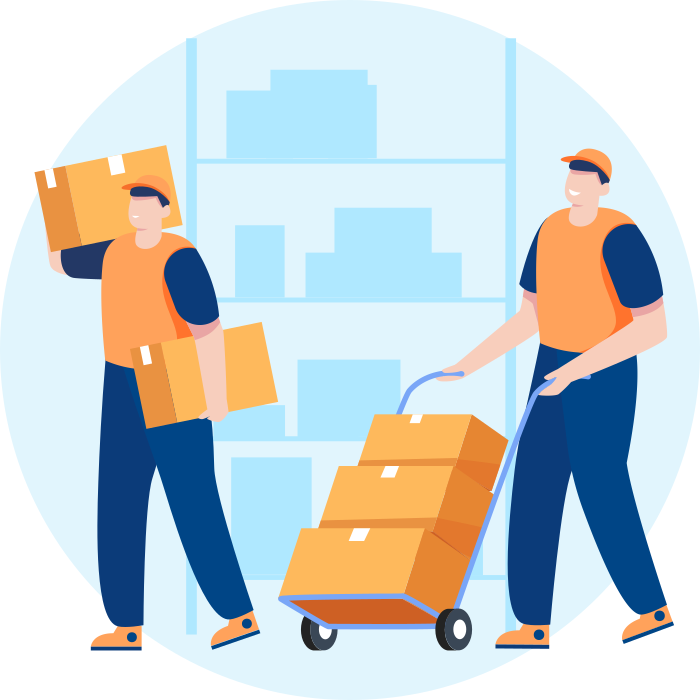
Product Handling and Packaging
Proper handling and packaging can help reduce product damage during storage and transit. Suitable cartons, protective materials, and clear packing procedures can also lower the risk of returns, replacements, and added shipping costs.
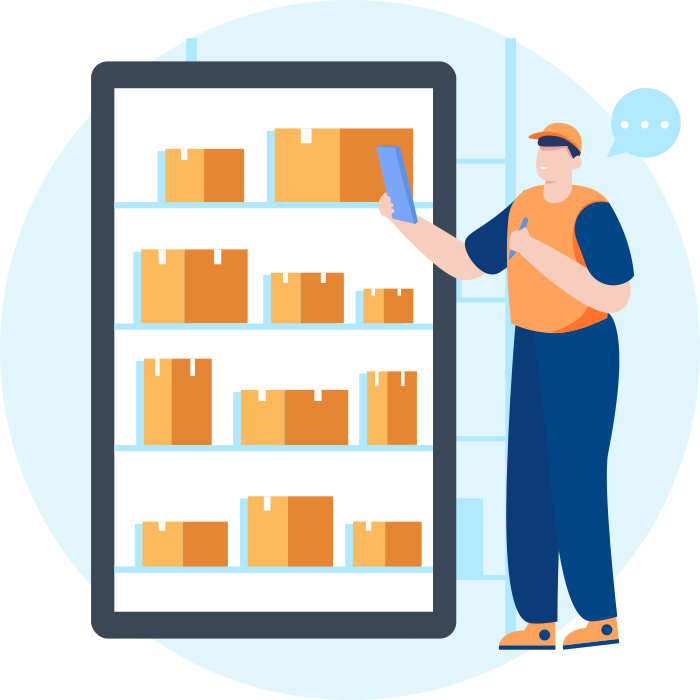
Inventory Management
Accurate inventory records help businesses monitor stock levels, product movement, and replenishment needs. Reliable inventory management also supports smoother order processing during product launches, seasonal demand, and periods of higher order volume.
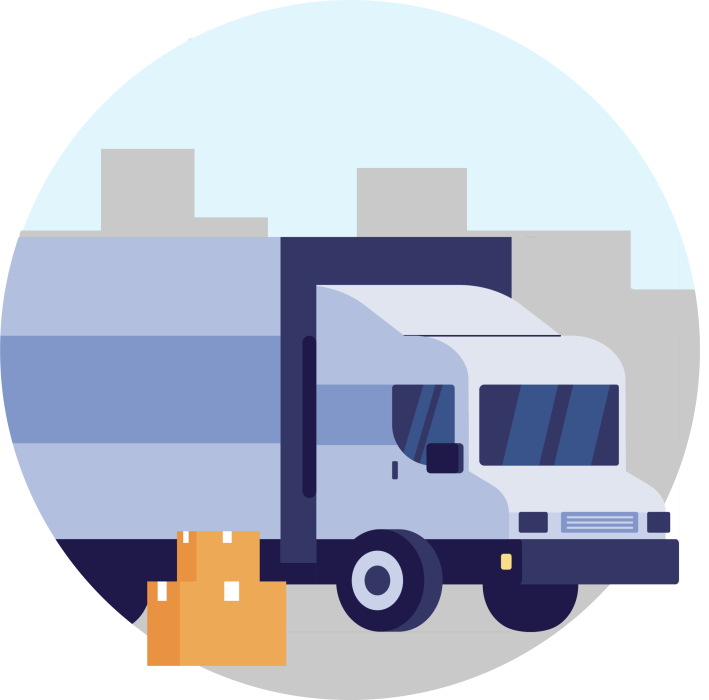
Shipping and Delivery Speed
Dependable shipping helps businesses meet customer expectations across retail, wholesale, and eCommerce orders. Access to different shipping services also makes it easier to balance delivery speed, destination, and cost based on each order.
How Inventory Management Supports Fulfillment
Accurate inventory management helps businesses keep products available across eCommerce, retail, wholesale, and other sales channels. Tracking stock levels, replenishment needs, sales velocity, lead times, and seasonal demand can reduce stockouts, excess inventory, and unnecessary storage costs. Better inventory visibility also makes it easier to see which products are moving and when replenishment may be needed.
Speed Commerce supports inventory management with technology that provides visibility into stock levels, order activity, and product movement across fulfillment operations. These capabilities help businesses respond to changing demand, maintain appropriate inventory levels, and keep orders moving without relying heavily on manual tracking.
How Inventory Forecasting Supports Fulfillment
Inventory forecasting helps businesses estimate future stock requirements using historical sales, order patterns, seasonality, supplier lead times, promotions, and market demand. More accurate forecasts can reduce stockouts, limit excess inventory, and support better purchasing decisions across eCommerce, retail, wholesale, and other sales channels.
Speed Commerce supports inventory planning with fulfillment data and inventory visibility that help businesses track product movement and changing demand. Better forecasting can make replenishment planning easier, improve warehouse inventory control, and help businesses prepare for product launches, seasonal peaks, promotions, and periods of higher order volume.
Common Challenges in Fulfillment Operations
Fulfillment can become more complex as product ranges expand, order volumes change, and businesses sell across multiple channels. Accurate inventory records, dependable shipping, careful order processing, and efficient returns all influence day-to-day performance.
These challenges can raise fulfillment costs and create delays when warehouse processes aren’t well managed. Reviewing the most common problem areas can help businesses identify where stronger systems, technology, or 3PL support may be needed.
Inventory Management
Balancing supply with demand can be difficult when businesses manage multiple SKUs, varying stock levels, and changing sales patterns. Real-time inventory visibility can help reduce stockouts, excess inventory, and order delays. Accurate records also make replenishment planning easier as demand changes.
Shipping and Delivery Speed
Customers and business buyers expect dependable delivery within the promised timeframe. Shipping costs, carrier capacity, package size, destination, and service level can all affect transit times and delivery performance. Access to different shipping services can help businesses balance speed, cost, and customer expectations.
Order Accuracy
Orders need to be picked, packed, and shipped with the correct products and quantities. Errors can lead to returns, replacement shipments, extra labor, and higher fulfillment costs. Barcode scanning, clear picking procedures, and order checks can help improve accuracy as volume increases.
Returns Management
Returns can require inspection, repackaging, restocking, repair, or disposal before inventory records can be updated. These steps can add labor and storage costs while slowing inventory turnover. A defined returns process can help businesses determine which products can return to sellable inventory and which need further review.
Scaling Fulfillment Capacity
Order volume can change during promotions, seasonal peaks, product launches, or periods of business growth. Businesses need warehouse space, labor, and fulfillment capacity that can adjust as demand rises or falls. Working with a 3PL can provide greater flexibility without requiring a business to expand its own warehouse infrastructure.
Which Fulfillment Model Is Right for Your Business?
Choosing between in-house fulfillment and a third-party logistics (3PL) provider depends on order volume, inventory complexity, available warehouse space, staffing, technology, and growth plans. Comparing the responsibilities and costs associated with each model can help businesses decide which approach fits their current operation and future needs.
In-house fulfillment gives businesses direct control over inventory, warehouse procedures, staffing, packing, shipping, and returns. This model can work well for companies with lower order volumes and simpler inventory requirements, but it also requires continued investment in warehouse space, labor, equipment, technology, and day-to-day logistics management.
7 Ways to Handle Supply Chain Challenges
Supply chain performance can be affected by changing order volumes, supplier lead times, seasonal peaks, product launches, and activity across multiple sales channels. Careful planning across inventory, fulfillment, shipping, and demand forecasting can help businesses reduce disruptions, control costs, and keep orders moving. Speed Commerce supports these areas with fulfillment services, warehouse capacity, and technology designed to help businesses manage changing logistics needs.
Accurate Demand Forecasting
Historical sales data, order patterns, and seasonal trends can help businesses estimate future demand more accurately. Better forecasting supports smarter purchasing decisions and reduces the risk of carrying too much or too little inventory.
Effective Inventory Management
Accurate inventory records help businesses monitor available stock and determine when replenishment is needed. Real-time inventory visibility can also help reduce stockouts, excess inventory, and unnecessary storage costs.
Timely Order Fulfillment
Consistent order processing helps keep shipments moving and reduces delays after customers place their orders. Flexible picking, packing, and shipping workflows can support changing order volumes across multiple sales channels.
Quality Control
Careful handling and order checks can reduce incorrect shipments, product damage, and avoidable returns. Clear warehouse procedures also help confirm that the correct products and quantities are prepared before orders leave the facility.
Seasonal Demand Management
Demand can rise during promotions, holidays, product launches, or other seasonal peaks. Flexible warehouse capacity can help businesses respond to these changes without expanding their own facilities.
Real-Time Tracking
Visibility into inventory and order activity gives businesses a clearer view of fulfillment performance. Tracking technology can help teams monitor order progress, inventory movement, and shipment status throughout the process.
Cost Management
Storage, labor, packaging, inventory, and shipping expenses can all affect overall fulfillment costs. Working with a 3PL such as Speed Commerce can bring these activities together and give businesses better visibility into where logistics spending is being generated.
Outsource Your Pet Supply 3rd-Party Logistics With Speed Commerce
Get StartedPet Supplies Speed Commerce Fulfills
Pet supply catalogs can span travel gear, grooming products, beds, feeding accessories, aquarium equipment, habitat products, and other items with very different storage and handling needs. Clear stock keeping unit (SKU) organization can help keep variations in size, material, design, pack quantity, and compatibility accurately identified throughout fulfillment.
Speed Commerce supports retailers, manufacturers, distributors, and eCommerce businesses with fulfillment for a broad range of pet products and supplies. Organized inventory management, careful picking, suitable packaging, and shipping support can help businesses manage everything from small accessories to bulky cages, furniture, and aquarium equipment.

Dog Walking, Travel, Training, and Apparel
This category can include dog carriers, carrier backpacks, strollers, collars, electronic training collars, leashes, muzzles, agility equipment, treadmills, and wearable products such as coats, raincoats, sweaters, shirts, and lifejackets. These products can vary by pet size, material, fit, design, and intended use, creating numerous closely related SKUs. Organized storage and accurate picking can help warehouse teams distinguish between similar sizes and styles while larger travel or training products may require different storage locations or carton sizes.

Grooming, Hygiene, and Waste Care Products
Grooming and hygiene products can include dog shampoos, conditioners, brushes, clippers, grooming wipes, scissors, small animal grooming products, cat litter systems, waste receptacles, odor removers, and stain treatments. Liquids, electronic grooming tools, refill products, and litter accessories can each require different storage and packing methods. Clear product identification can also help separate formulas, sizes, replacement parts, and compatible accessories during order processing.

Pet Beds, Furniture, Feeding, and Everyday Accessories
Pet furniture and everyday accessories can include dog beds, blankets, covers, liners, crates, sofas, stairs, feeding bowls, slow feeders, travel bowls, feeding mats, fountains, water bottles, cat collars, harnesses, ID tags, and scratching products. These items range from small wearable accessories to bulky furniture, so warehouse space and packaging needs can differ considerably within the same category. Inventory organization can help keep size, color, style, and product variations separated while protective packing can support mixed orders containing both lightweight and heavier items.

Aquarium and Aquatic Pet Supplies
Aquarium products can include algae scrapers, nets, gravel cleaners, hoods, hydrometers, lighting, test kits, thermometers, water treatments, air pumps, filters, water pumps, stands, gravel, sand, and decorative habitat products. Product lines may contain electronic equipment, liquids, fragile components, replacement accessories, and heavy substrate materials that require different storage and packing procedures. Accurate SKU tracking can help businesses distinguish between pump sizes, filter accessories, lighting products, treatment formulas, and other closely related aquarium supplies.

Small Animal, Bird, Reptile, and Specialty Pet Supplies
This group can include small animal bedding, beds, cages, hammocks, hutches, playpens, tunnels, birdcages, perches, swings, nests, reptile habitat décor, habitat lighting, snake handling tools, and horse care products. Large cages and habitat products may need more warehouse space, while smaller accessories and grooming items can require careful SKU separation to avoid picking errors. Speed Commerce can manage these varied product formats through the same fulfillment operation while adjusting storage and packing procedures according to the size, material, and handling needs of each item.

Why Choose Speed Commerce as Your 3PL Partner?
Choosing the right third-party logistics provider can make warehousing, order processing, and shipping easier to manage as business needs change. Speed Commerce supports retailers, manufacturers, distributors, wholesalers, and eCommerce brands with fulfillment services suited to different inventory levels, order volumes, and sales channels.
- Transparent pricing gives businesses a clearer view of fulfillment costs and helps them plan logistics spending with fewer surprises.
- Flexible fulfillment capacity can adapt to seasonal demand, higher order volumes, product launches, and continued business growth.
- Fulfillment technology supports inventory visibility, accurate order processing, shipment tracking, and connections with popular eCommerce platforms.
How Does Speed Commerce Compare With Other 3PLs?
Speed Commerce combines fulfillment technology, warehouse operations, and customer support within a single 3PL relationship. Businesses can use its services for inventory management, order processing, shipping, tracking, and other fulfillment needs while gaining better visibility into day-to-day logistics activity.
Scalability is another point of difference. Speed Commerce can support changes in order volume, seasonal demand, product launches, and business growth without requiring companies to expand their own fulfillment infrastructure. Its technology and warehouse capabilities also help businesses manage inventory and orders across multiple sales channels.
Speed Commerce also focuses on building long-term relationships with the businesses it supports. Services can include inventory management, omnichannel fulfillment, shipping, returns, and outsourced customer service, giving companies access to several logistics functions through one 3PL partner.
How Fulfillment Works at Speed Commerce
Receiving
Inventory is checked when it arrives at the fulfillment center and entered into the warehouse management system. Products are then assigned to the appropriate storage locations so they can be tracked and prepared for future orders.
Picking and Packing
Orders are picked according to inventory and order data, then packed based on product and shipping requirements. Defined warehouse procedures help reduce picking errors, protect products during transit, and keep orders moving toward shipment.
Shipping and Delivery
Completed orders are prepared for carrier pickup using the selected shipping service and destination requirements. Access to multiple carrier options can help businesses balance delivery speed, shipping cost, and customer expectations.
Inventory Management
Inventory management includes tracking stock levels, product movement, and replenishment needs throughout the warehouse. Visibility into inventory data can help businesses respond to changing demand, reduce stockouts, and limit excess inventory.
Cross-Docking
Cross-docking can move incoming products directly toward order processing instead of placing them into long-term storage first. This approach can be useful when inventory needs to move quickly during high-demand periods, launches, or time-sensitive fulfillment programs.
Returns Management
Returned products can require receiving, inspection, repackaging, restocking, or another disposition based on their condition. Managing these steps through the fulfillment operation can help businesses keep inventory records current and reduce the internal workload tied to reverse logistics.
Storage
Inventory can be stored within Speed Commerce fulfillment centers until it is needed for customer orders. Warehouse management technology helps track product locations and stock movement while supporting different storage requirements and inventory volumes.
Managed Services
Managed services provide businesses with ongoing support for fulfillment activity, performance, and changing operational needs. Regular account communication can help identify issues, review fulfillment requirements, and make adjustments as order volume or business needs change.
Plus More!
Speed Commerce is a full-service outsourcing fulfillment center. Unlike our competitors, we can match your requirements in processing your orders.
Learn More About Pet Supplies Fulfillment
Q: Can a 3PL handle both small pet accessories and bulky pet products?
A: A 3PL can support a wide range of product sizes when its warehouse setup can accommodate both compact and oversized inventory. Smaller items such as collars, grooming tools, and aquarium accessories may be stored in bins or shelving, while beds, crates, cages, and larger equipment can require more warehouse space. Businesses should provide product dimensions and packaged weights before onboarding so storage and shipping requirements can be planned accurately. Speed Commerce can support mixed pet supply catalogs with different storage and handling needs.
Q: Can pet products be fulfilled as bundles or subscription boxes?
A: A 3PL can assemble bundles that combine food accessories, grooming products, toys, treats, or other pet supplies when kitting services are available. These sets may be used for starter kits, promotional packages, seasonal collections, or recurring subscription shipments. Individual components should remain accurately tracked as products are allocated to each bundle. Clear assembly instructions can also help keep recurring boxes consistent from one shipment to the next.
Q: Can a 3PL manage pet products with lot numbers or expiration dates?
A: Lot and expiration date tracking may be supported when the warehouse system and operating procedures are configured for those requirements. This can be useful for certain consumable pet products, treatments, or other items with shelf-life information. Inventory records can help identify which lots are available and support appropriate stock rotation when needed. Businesses should discuss these tracking requirements with the provider before inventory arrives.
Q: How are returns handled for pet supplies?
A: Returned pet products can be processed according to the retailer’s or brand’s return criteria. The warehouse may review product condition, packaging, missing parts, signs of use, and whether the item can return to sellable inventory. Different rules may apply to opened grooming products, bedding, electronic devices, consumables, or used pet accessories. Clear disposition instructions help the 3PL determine whether an item should be restocked, held for review, or handled another way.
Q: Can a 3PL support pet supply orders from different sales channels?
A: A 3PL can support orders from eCommerce stores, marketplaces, retail accounts, wholesale customers, and other connected sales channels. Each channel may have its own labeling, packing, carton, or shipping requirements that need to be reflected in the fulfillment workflow. Centralized fulfillment can also help businesses manage inventory that is shared across several sales channels. Speed Commerce can support multi-channel order processing based on the business’s distribution setup.
Q: What information should a pet supply business provide before starting with a 3PL?
A: Businesses should provide product dimensions, weights, stock keeping units, inventory quantities, average monthly order volume, and average units per order. Details about bulky products, liquids, fragile items, lot or expiration tracking, bundles, subscription orders, and sales channels should also be shared. Historical order data can help the provider estimate warehouse space, labor, and shipping activity. Complete product information gives the 3PL a clearer basis for setting up the fulfillment operation.
Insights

eCommerce Runs the Free World – Here’s Why
Ecommerce is awesome. We love it; you love it. It’s truly changed how consumers shop, research, and even live. But what most people fail to understand is how much of our daily lives revolve around our online purchase activities. Below, we’ll examine a few reasons why ecommerce does run the world – and not just…
Read More

Want to Work in eCommerce? Check Out These Degrees
Although many of us came into the ecommerce industry by chance thanks to skills we’ve acquired in other areas, the rapid growth and all-around coolness factor in online retail has made it a high-demand career for new job seekers and experienced businesspeople. With that high demand, colleges and universities have honed their offerings to create…
Read More

From Start-Up to Rock Star: An eCommerce Growth Story
Although it’s how some of the most successful ecommerce companies in the world have gotten their start, packing boxes out of a residential garage wasn’t in PetBox’s long-term strategy. In a market where outsourced operations are the norm, founders Will Ford and Sean Conlon weren’t concerned about deciding to outsource; however, they knew that choosing…
Read More
Looking for a better fulfillment solution?
A fulfillment expert will get back to you within 1-2 business days.