3PL for Online Businesses
Turbocharged
Scale in the fast lane with 40+ years
of proven reliability
A need for Speed? Accelerate your growth!
Fulfillment experts since 1982
Looking for a better fulfillment solution?
A fulfillment expert will get back to you within 1-2 business days.


eCommerce
Fulfillment
B2B
Fulfillment
Call Center
Services
3PL for Online Businesses
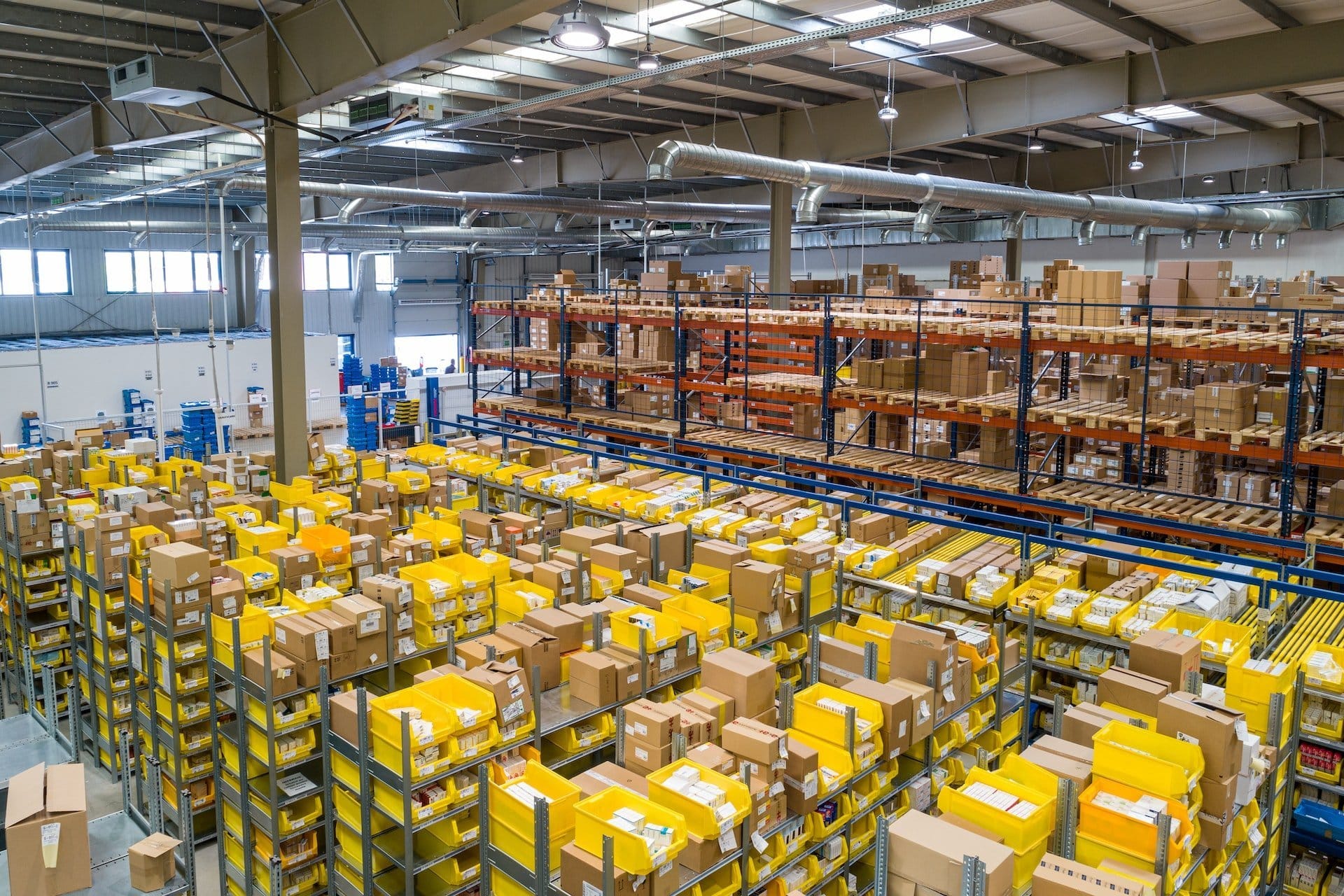
Online businesses can outsource inventory storage, order fulfillment, shipping, and returns to a third-party logistics (3PL) provider instead of managing warehouse operations in-house. A 3PL can receive products, store inventory, process customer orders, prepare shipments, and manage returns as part of a centralized fulfillment workflow.
As order volume grows, handling fulfillment internally can require more storage space, staff time, and operational resources. A 3PL provides warehouse capacity, fulfillment systems, and shipping support that can adapt to changing order volumes and sales channels. The right setup depends on the products, order volume, sales channels, shipping requirements, and fulfillment services an online business needs.
What Services Does a 3PL Provide for Online Businesses?
A 3PL can manage operational tasks involved in storing inventory, processing orders, shipping products, and handling returns. The services needed can vary based on product type, order volume, sales channels, and how much of the fulfillment process an online business wants to outsource.
| 3PL Service | How It Supports Online Businesses |
|---|---|
| Inventory Receiving and Storage | Receives products from suppliers or manufacturers, verifies incoming inventory, and stores products in organized warehouse locations until orders are ready for fulfillment. |
| Pick and Pack Fulfillment | Picks the correct products for each customer order and packages them according to established packing and handling requirements. |
| Shipping Management | Prepares completed orders for shipment and coordinates carrier services based on delivery requirements, destinations, and selected service levels. |
| Returns Processing | Receives returned products, checks their condition, updates inventory records, and follows the business’s instructions for restocking or other return outcomes. |
| eCommerce Integrations | Connects online stores and other sales channels with fulfillment systems so order, inventory, and shipment information can move between platforms. |
| Kitting and Assembly | Combines multiple products, inserts, or packaging materials into bundles, subscription boxes, promotional sets, or other finished kits. |
| Inventory Tracking and Reporting | Provides visibility into inventory levels, order activity, and other fulfillment information that helps online businesses manage stock and plan replenishment. |
The services required can change as an online business grows. A brand might begin with storage and basic order fulfillment, then add custom packaging, marketplace fulfillment, kitting, or more advanced inventory services as its operations expand.
More Value. Better Service. No Speed Bumps Ahead.
Get StartedHow 3PL Fulfillment Works for Online Businesses
A 3PL connects an online business’s sales channels with warehouse operations to manage the fulfillment process. Orders from eCommerce platforms, marketplaces, or custom systems move into the fulfillment workflow, where inventory is picked, packed, shipped, and updated with tracking information. This creates a consistent process for moving customer orders from purchase through delivery.
- Inventory Receiving and Storage – Products arrive at the warehouse, where the 3PL verifies quantities, organizes storage locations, and records inventory details for fulfillment. Accurate receiving helps keep inventory records aligned with the products available for customer orders.
- Order Processing and Fulfillment – Orders from connected sales channels move into the fulfillment system with product, quantity, shipping, and other required information for warehouse processing. The warehouse can then apply the business’s fulfillment rules before an order moves to picking.
- Picking and Packing – Warehouse teams locate the products listed on each order and package them according to the business’s requirements, including branded packaging, inserts, or special materials. Consistent packing procedures help prepare orders for shipment according to the expected presentation and handling standards.
- Shipping and Tracking Updates – Completed orders are prepared for shipment using the selected carrier and service level, with tracking information sent back to the connected sales channel. This gives the business and its customers visibility into shipment progress after an order leaves the warehouse.
- Returns Management – Returned products are received, inspected, and processed according to the business’s return rules, with inventory records updated based on the outcome. This helps keep returned inventory organized and ensures each item follows the appropriate next step.
When Should an Online Business Use a 3PL?
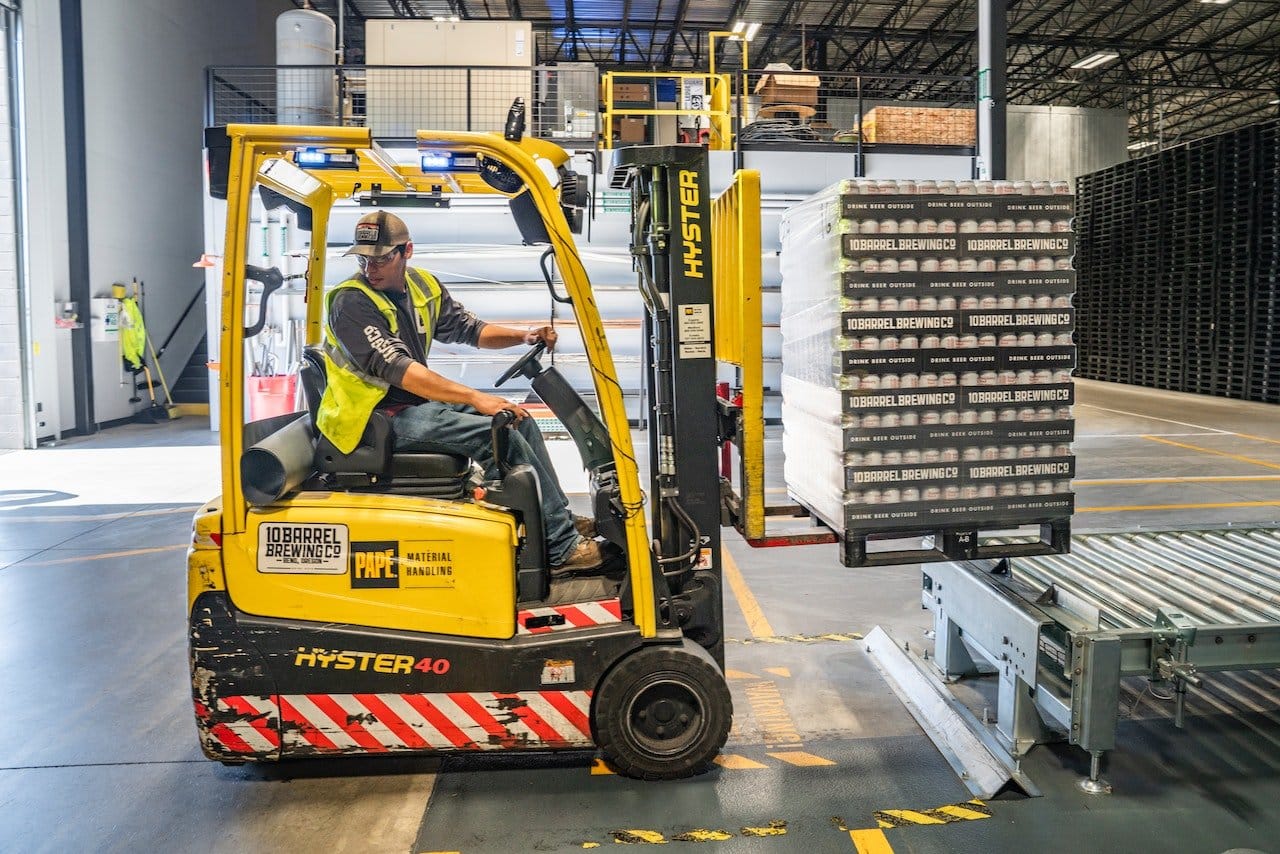
Managing fulfillment in-house can become harder as an online business grows and order volume, inventory, and shipping demands increase. A 3PL can provide the warehouse space, processes, and operational support needed when internal fulfillment becomes more difficult to manage.
1. Orders Are Taking Too Much Time to Manage
Outsourcing fulfillment can free business teams to focus on product development, marketing, and customer service while a 3PL manages daily order operations.
2. Inventory Requires More Space
A 3PL provides dedicated warehouse space for growing product lines that no longer fit comfortably in an office, retail location, or other storage area.
3. Customers Expect Faster Shipping
A 3PL with warehouses near customer markets and established carrier relationships can provide more shipping options and support faster delivery.
4. Sales Channels Are Expanding
A 3PL can centralize fulfillment for orders from websites, marketplaces, and other sales channels so each order follows a consistent process.
5. Fulfillment Errors Are Increasing
Established warehouse processes can help reduce issues such as incorrect shipments, inventory discrepancies, and delayed orders.
Fulfillment Setup Requirements
Setting up fulfillment requires clear information about products, sales channels, inventory, order volume, and fulfillment preferences. Providing these details helps Speed Commerce build a warehouse workflow that matches the business’s requirements.
- Provide product details, order volume, sales channels, packaging preferences, shipping needs, and special handling requirements.
- Provide accurate Stock Keeping Units (SKUs), product dimensions, weights, storage requirements, and other information needed for receiving and inventory management.
- Define return procedures, packaging standards, exception rules, and reporting requirements before fulfillment begins.
- Share any specific fulfillment instructions, including kitting requirements, inserts, labeling, or other order preparation needs.
- Provide information about connected eCommerce platforms, marketplaces, order management systems, or other sales channels that will send orders to Speed Commerce.
Clear setup requirements help the warehouse team prepare inventory, process orders, and follow the fulfillment procedures established for the business.
Q: What is a 3PL for online businesses?
A: A 3PL for online businesses is a logistics partner that manages fulfillment tasks such as inventory storage, order processing, packing, shipping, and returns. It allows businesses to outsource warehouse operations instead of managing fulfillment internally.
Q: Why do online businesses use a 3PL?
A: Online businesses use 3PL providers to reduce manual fulfillment work, access warehouse resources, improve order processing, and support growth without building an internal logistics operation.
Q: Can a small online business use a 3PL?
A: Yes. A 3PL can support businesses of different sizes, including growing brands that need help managing inventory, shipping, and customer orders as sales increase.
Q: What eCommerce platforms can a 3PL support?
A: 3PL providers can support integrations with eCommerce platforms, marketplaces, order management systems, and custom applications. Available integrations depend on the provider and the business’s technology setup.
Q: How much does a 3PL cost for an online business?
A: 3PL costs depend on factors such as storage needs, order volume, product type, packaging requirements, shipping activity, and additional services. Businesses should review the full pricing structure when comparing providers.
Insights

Inflation Became Sticky, Do We See it in Shipping Costs for Businesses and Consumers?
Shipping prices remain elevated even when inflation slows. Historical courier, FedEx, USPS, and fuel data show what businesses and consumers are paying, why bills stay high, and where savings may still be possible….
Read More

Single vs Multi-Location Fulfillment: Which Should You Choose?
We priced one to five warehouse networks with 2026 USPS rates to show when a second fulfillment location pays off, and when one well-placed warehouse is the better call….
Read More
Tesla Semi Early Reviews: What Drivers Are Saying and What It Means for Freight
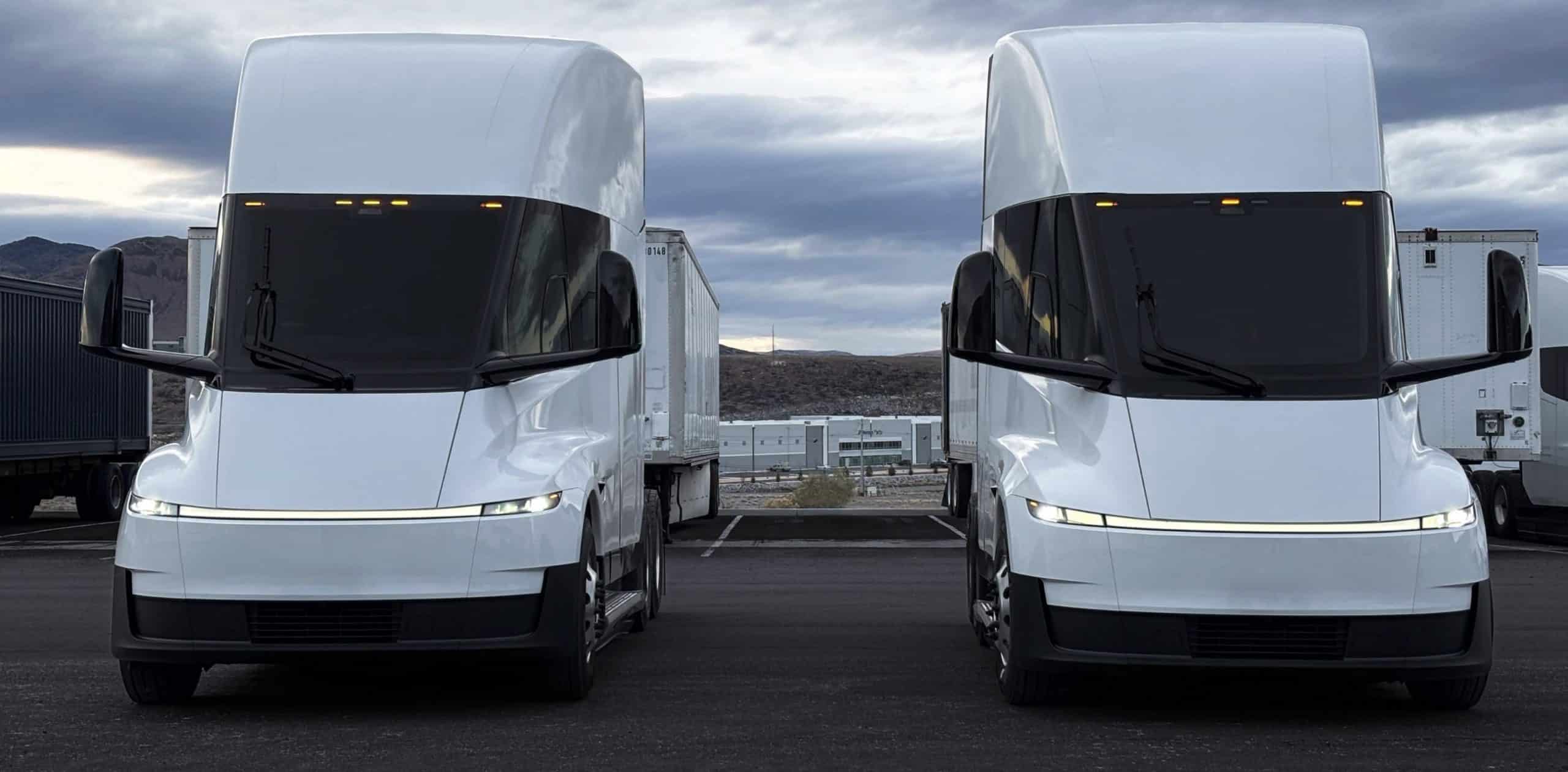
Nine years is a long time to wait on a truck. Tesla unveiled the Semi in November 2017 and planned to start production in 2019. On September 24, 2026, it formally opened a dedicated Nevada factory and began handing over series-built trucks, and the first outside drivers are now weighing in. The early verdicts are…
Read More
Looking for a better fulfillment solution?
A fulfillment expert will get back to you within 1-2 business days.